Buy cncb.eu ?
We are moving the project
cncb.eu .
Are you interested in purchasing the domain
cncb.eu ?
domain@kv-gmbh.de · 0541-91531010
Buy cncb.eu ?
Is it possible to work as a machining mechanic after completing the training as a precision mechanic specializing in machining technology?
Yes, it is possible to work as a machining mechanic after completing training as a precision mechanic specializing in machining technology. The skills and knowledge gained during the precision mechanic training, such as operating and programming CNC machines, reading technical drawings, and understanding different machining processes, are directly applicable to the role of a machining mechanic. Additionally, with some additional training or on-the-job experience, a precision mechanic can easily transition into a role as a machining mechanic. **
How difficult is a study of robotics and automation?
The study of robotics and automation can be challenging due to its interdisciplinary nature, requiring knowledge in fields such as mechanical engineering, electrical engineering, computer science, and control systems. Additionally, the rapid advancements in technology and the need to stay updated with the latest developments can add to the complexity of the study. However, with dedication, problem-solving skills, and a strong foundation in mathematics and physics, students can overcome these challenges and excel in the field of robotics and automation. **


Similar search terms for Part
Top-Angebote
Products related to Part:
-
Höfats SPIN Ground Spike silver 3 partSPIN 120 & 90 ground spike silver - The individual parts of the spike are different in length (17 cm + 34 cm + 48 cm) and also have a ground spike to ensure a stable hold. This allows the SPIN to be set at different heights.37,95 £*Shipping: 4,99 £Secure redirect to the provider
-
Höfats SPIN Ground Spike Oak 3 partSPIN 120 & 90 ground spike oak - The individual parts of the spike are different in length (17 cm + 34 cm + 48 cm) and also have a ground spike to ensure a stable hold. This allows the SPIN to be set at different heights.37,95 £*Shipping: 4,99 £Secure redirect to the provider
-
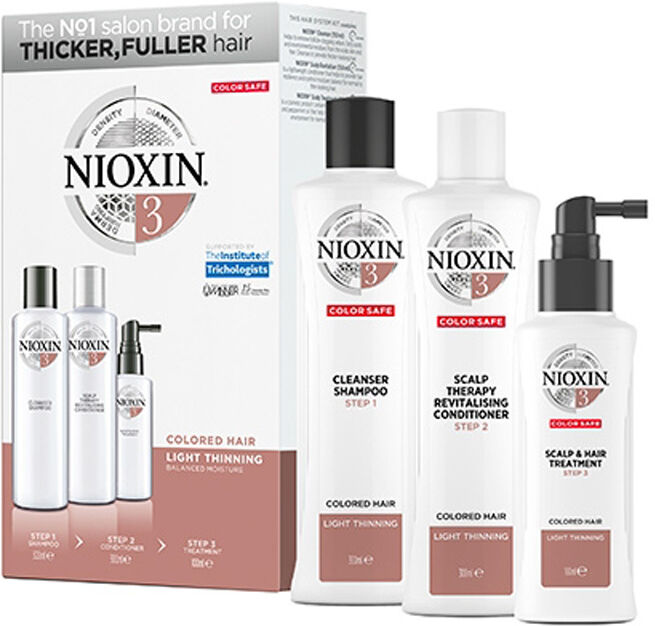
Nioxin 3-Part Loyalty Kit System 3Amplify hair texture and restore moisture balance with the innovative Nioxin 3-part System 3 for Colored Hair with Light Thinning. This professional hair thickening treatment set for coloured hair contains three products designed to volumize and strengthen hair with light thinning. Nioxin's 3-part System 3 reduces hair loss due to breakage, while cleaning and refreshing the scalp. This treatment leaves hair thicker, denser looking and with a vibrant colour. Nioxin Cleanser Shampoo 3 (300ml): removes sebum and environmental residues from the scalp and hair. Nioxin Scalp Therapy Revitalizing Conditioner 3 (300ml): a lightweight conditioner that helps provide hair resilience and control moisture balance. Nioxin Scalp & Hair Treatment 3 (100ml): refreshes the scalp and increases hair volume.60,30 £*Shipping: 0,00 £Secure redirect to the provider


-
Is the precision mechanic similar to the machining mechanic?
While both precision mechanics and machining involve working with tools to create precise components, they are not exactly the same. Precision mechanics typically focuses on creating intricate and delicate components with high accuracy, often used in industries like watchmaking or electronics. Machining, on the other hand, involves using various tools to shape and cut raw materials into specific shapes and sizes, commonly used in industries like automotive or aerospace. Both mechanics require attention to detail and precision, but they differ in their specific applications and techniques. **
-
What questions are asked in the oral part of the Part 1 journeyman examination for precision mechanics?
In the oral part of the Part 1 journeyman examination for precision mechanics, candidates may be asked a range of questions related to their trade. These questions may cover topics such as the principles of precision mechanics, the use of precision tools and equipment, reading and interpreting technical drawings and specifications, understanding and applying measurement techniques, and demonstrating knowledge of safety procedures and regulations. Candidates may also be asked to explain how they would approach specific tasks or problems related to precision mechanics, and to demonstrate their understanding of industry standards and best practices. Overall, the oral examination aims to assess the candidate's theoretical knowledge, practical skills, and ability to apply their expertise in real-world scenarios. **
-
How can one learn to become an electronics technician for industrial engineering or automation technology?
To become an electronics technician for industrial engineering or automation technology, one can start by pursuing a relevant educational program, such as an associate degree in electronics engineering technology or industrial automation. These programs typically cover topics such as electrical circuits, industrial control systems, and automation technologies. Additionally, gaining hands-on experience through internships or apprenticeships with companies in the industrial engineering or automation field can provide valuable practical skills. Seeking professional certifications, such as those offered by organizations like the International Society of Automation (ISA) or the Electronics Technicians Association (ETA), can also demonstrate expertise and knowledge in the field. Finally, staying updated with the latest advancements in industrial engineering and automation technology through continuous learning and professional development is essential for a successful career in this field. **
-
What is the difficult part of electrical engineering?
One of the difficult parts of electrical engineering is the complexity of the subject matter. Electrical engineering involves understanding and manipulating complex systems, circuits, and components, which can be challenging to grasp and work with. Additionally, staying updated with the rapidly evolving technology and industry standards can be demanding. Another challenging aspect is troubleshooting and problem-solving, as electrical engineers often need to diagnose and fix intricate issues within electrical systems. Overall, the combination of theoretical knowledge, practical skills, and continuous learning makes electrical engineering a challenging field. **


Is programming taught in the field of Electrical Engineering and Information Technology?
Yes, programming is taught in the field of Electrical Engineering and Information Technology. Both fields require a strong foundation in programming languages such as C, C++, Python, and Java to develop software, design hardware, and work with embedded systems. Programming skills are essential for designing and implementing various electrical and information technology systems, including control systems, communication networks, and digital signal processing. Additionally, understanding programming concepts is crucial for developing innovative solutions and advancing technology in these fields. **
Is the technical diploma in automation technology difficult?
The difficulty of the technical diploma in automation technology can vary depending on the individual's background, experience, and aptitude for the subject matter. Some students may find the coursework challenging due to the complex concepts and technical skills required, while others with a strong foundation in math, science, and technology may find it more manageable. Overall, dedication, hard work, and a genuine interest in automation technology can help students succeed in completing the program. **
Top-Angebote
Products related to Part:
-
Höfats SPIN Ground Spike silver 3 partSPIN 120 & 90 ground spike silver - The individual parts of the spike are different in length (17 cm + 34 cm + 48 cm) and also have a ground spike to ensure a stable hold. This allows the SPIN to be set at different heights.37,95 £*Shipping: 4,99 £Secure redirect to the provider
-
Höfats SPIN Ground Spike Oak 3 partSPIN 120 & 90 ground spike oak - The individual parts of the spike are different in length (17 cm + 34 cm + 48 cm) and also have a ground spike to ensure a stable hold. This allows the SPIN to be set at different heights.37,95 £*Shipping: 4,99 £Secure redirect to the provider
-
Is it possible to work as a machining mechanic after completing the training as a precision mechanic specializing in machining technology?
Yes, it is possible to work as a machining mechanic after completing training as a precision mechanic specializing in machining technology. The skills and knowledge gained during the precision mechanic training, such as operating and programming CNC machines, reading technical drawings, and understanding different machining processes, are directly applicable to the role of a machining mechanic. Additionally, with some additional training or on-the-job experience, a precision mechanic can easily transition into a role as a machining mechanic. **
-
How difficult is a study of robotics and automation?
The study of robotics and automation can be challenging due to its interdisciplinary nature, requiring knowledge in fields such as mechanical engineering, electrical engineering, computer science, and control systems. Additionally, the rapid advancements in technology and the need to stay updated with the latest developments can add to the complexity of the study. However, with dedication, problem-solving skills, and a strong foundation in mathematics and physics, students can overcome these challenges and excel in the field of robotics and automation. **
-
Is the precision mechanic similar to the machining mechanic?
While both precision mechanics and machining involve working with tools to create precise components, they are not exactly the same. Precision mechanics typically focuses on creating intricate and delicate components with high accuracy, often used in industries like watchmaking or electronics. Machining, on the other hand, involves using various tools to shape and cut raw materials into specific shapes and sizes, commonly used in industries like automotive or aerospace. Both mechanics require attention to detail and precision, but they differ in their specific applications and techniques. **
-
What questions are asked in the oral part of the Part 1 journeyman examination for precision mechanics?
In the oral part of the Part 1 journeyman examination for precision mechanics, candidates may be asked a range of questions related to their trade. These questions may cover topics such as the principles of precision mechanics, the use of precision tools and equipment, reading and interpreting technical drawings and specifications, understanding and applying measurement techniques, and demonstrating knowledge of safety procedures and regulations. Candidates may also be asked to explain how they would approach specific tasks or problems related to precision mechanics, and to demonstrate their understanding of industry standards and best practices. Overall, the oral examination aims to assess the candidate's theoretical knowledge, practical skills, and ability to apply their expertise in real-world scenarios. **
Similar search terms for Part
-
Nioxin 3-Part Loyalty Kit System 3Amplify hair texture and restore moisture balance with the innovative Nioxin 3-part System 3 for Colored Hair with Light Thinning. This professional hair thickening treatment set for coloured hair contains three products designed to volumize and strengthen hair with light thinning. Nioxin's 3-part System 3 reduces hair loss due to breakage, while cleaning and refreshing the scalp. This treatment leaves hair thicker, denser looking and with a vibrant colour. Nioxin Cleanser Shampoo 3 (300ml): removes sebum and environmental residues from the scalp and hair. Nioxin Scalp Therapy Revitalizing Conditioner 3 (300ml): a lightweight conditioner that helps provide hair resilience and control moisture balance. Nioxin Scalp & Hair Treatment 3 (100ml): refreshes the scalp and increases hair volume.60,30 £*Shipping: 0,00 £Secure redirect to the provider
-
Sentier Monde à Part Eau de Parfum 100mLAn eau de parfum. What is the story of This product?. Born from the idea of contrasts, Monde à Part balances brightness with depth. It begins with sparkling freshness and unfolds into a sensual warmth, capturing both vitality and elegance. Designed for those who embrace sophistication, it lingers gracefully, leaving a lasting impression even after sunset.95,80 £*Shipping: 10,02 £Secure redirect to the provider
-
How can one learn to become an electronics technician for industrial engineering or automation technology?
To become an electronics technician for industrial engineering or automation technology, one can start by pursuing a relevant educational program, such as an associate degree in electronics engineering technology or industrial automation. These programs typically cover topics such as electrical circuits, industrial control systems, and automation technologies. Additionally, gaining hands-on experience through internships or apprenticeships with companies in the industrial engineering or automation field can provide valuable practical skills. Seeking professional certifications, such as those offered by organizations like the International Society of Automation (ISA) or the Electronics Technicians Association (ETA), can also demonstrate expertise and knowledge in the field. Finally, staying updated with the latest advancements in industrial engineering and automation technology through continuous learning and professional development is essential for a successful career in this field. **
-
What is the difficult part of electrical engineering?
One of the difficult parts of electrical engineering is the complexity of the subject matter. Electrical engineering involves understanding and manipulating complex systems, circuits, and components, which can be challenging to grasp and work with. Additionally, staying updated with the rapidly evolving technology and industry standards can be demanding. Another challenging aspect is troubleshooting and problem-solving, as electrical engineers often need to diagnose and fix intricate issues within electrical systems. Overall, the combination of theoretical knowledge, practical skills, and continuous learning makes electrical engineering a challenging field. **
-
Is programming taught in the field of Electrical Engineering and Information Technology?
Yes, programming is taught in the field of Electrical Engineering and Information Technology. Both fields require a strong foundation in programming languages such as C, C++, Python, and Java to develop software, design hardware, and work with embedded systems. Programming skills are essential for designing and implementing various electrical and information technology systems, including control systems, communication networks, and digital signal processing. Additionally, understanding programming concepts is crucial for developing innovative solutions and advancing technology in these fields. **
-
Is the technical diploma in automation technology difficult?
The difficulty of the technical diploma in automation technology can vary depending on the individual's background, experience, and aptitude for the subject matter. Some students may find the coursework challenging due to the complex concepts and technical skills required, while others with a strong foundation in math, science, and technology may find it more manageable. Overall, dedication, hard work, and a genuine interest in automation technology can help students succeed in completing the program. **
* All prices are inclusive of VAT and, if applicable, plus shipping costs. The offer information is based on the details provided by the respective shop and is updated through automated processes. Real-time updates do not occur, so deviations can occur in individual cases. ** Note: Parts of this content were created by AI.