Buy cncb.eu ?
We are moving the project
cncb.eu .
Are you interested in purchasing the domain
cncb.eu ?
domain@kv-gmbh.de · 0541-91531010
Buy cncb.eu ?
Is it possible to work as a machining mechanic after completing the training as a precision mechanic specializing in machining technology?
Yes, it is possible to work as a machining mechanic after completing training as a precision mechanic specializing in machining technology. The skills and knowledge gained during the precision mechanic training, such as operating and programming CNC machines, reading technical drawings, and understanding different machining processes, are directly applicable to the role of a machining mechanic. Additionally, with some additional training or on-the-job experience, a precision mechanic can easily transition into a role as a machining mechanic. **
How difficult is a study of robotics and automation?
The study of robotics and automation can be challenging due to its interdisciplinary nature, requiring knowledge in fields such as mechanical engineering, electrical engineering, computer science, and control systems. Additionally, the rapid advancements in technology and the need to stay updated with the latest developments can add to the complexity of the study. However, with dedication, problem-solving skills, and a strong foundation in mathematics and physics, students can overcome these challenges and excel in the field of robotics and automation. **

Similar search terms for Whetstone
Top-Angebote
Products related to Whetstone:
-
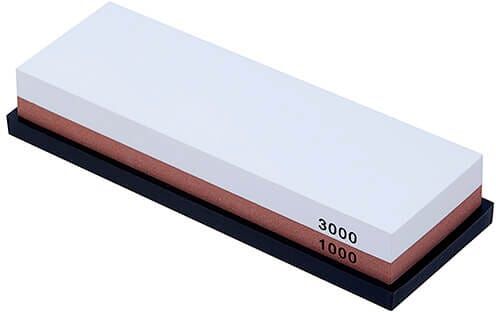
I.O.Shen Mastergrade 1000/3000 Grit WhetstoneThe I.O. Shen Mastergrade 1000 and 3000 Dual Grit Whetstone is a classic way to keep your knives razor sharp. Even the sharpest and most expensive blades will loose their edge over time and a sharp blade is more efficient, takes less effort to use and is safer as there is less likelihood of the blade slipping when in use. The fine combination of this whetstone produces a fine and polished edge for superior sharpness. The I.O. Shen Mastergrade Dual Grit Whetstone is a simple and effective method of keeping your knives in tip-top condition. Soak the whetstone in water for approximately 20 minutes before use. Place the whetstone back in its tray, coarse side up, allowing any excess water to drain off. Take your knife and smoothly run the blade in a sweeping motion over the length of the whetstone making sure you keep the blade at an angle of approximately 20° to the whetstone. Ensure that each sweep takes in the whole length of the blade - from heel to tip. Repeat this process several times then turn the knife around to work on the opposite side of the blade. This process will bring back the fine edge to the blade of a blunt knife and will also remove any small chips and nicks. Repeat the same process using the fine side of the whetstone to give the blade its razor sharp edge back. After sharpening always carefully handwash the knife and dry immediately with a tea towel.59,95 £*Shipping: 0,00 £Secure redirect to the provider
-
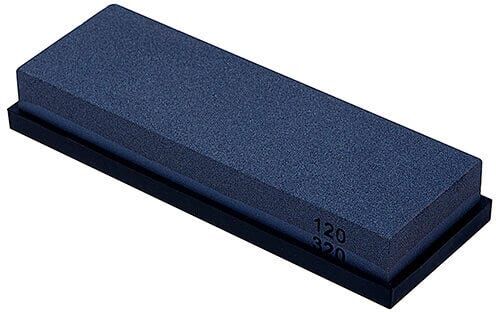
I.O.Shen Mastergrade 120/320 Grit WhetstoneThe I.O. Shen Mastergrade 120 and 320 Dual Grit Whetstone is a classic way to keep your knives razor sharp. Even the sharpest and most expensive blades will loose their edge over time and a sharp blade is more efficient, takes less effort to use and is safer as there is less likelihood of the blade slipping when in use The coarse combination of this whetstone is suitable for removing chips and nicks from blades. The I.O. Shen Mastergrade Dual Grit Whetstone is a simple and effective method of keeping your knives in tip-top condition. Soak the whetstone in water for approximately 20 minutes before use. Place the whetstone back in its tray, coarse side up, allowing any excess water to drain off. Take your knife and smoothly run the blade in a sweeping motion over the length of the whetstone making sure you keep the blade at an angle of approximately 20° to the whetstone. Ensure that each sweep takes in the whole length of the blade - from heel to tip. Repeat this process several times then turn the knife around to work on the opposite side of the blade. This process brings back the fine edge to the blade. Repeat the same process using the fine side of the whetstone to give the blade its razor sharp edge back. After sharpening always carefully handwash the knife and dry immediately with a tea towel.31,95 £*Shipping: 3,50 £Secure redirect to the provider
-
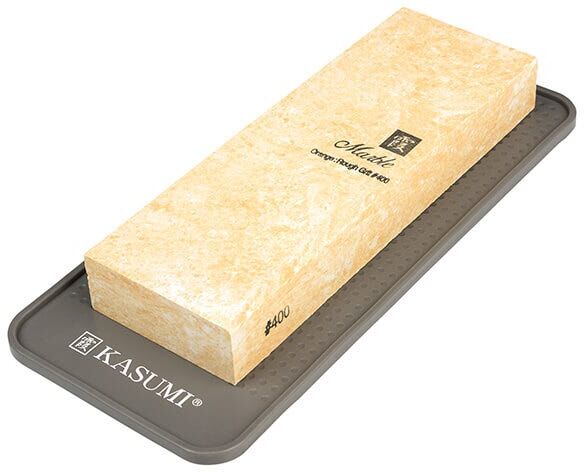
Kasumi Coarse Whetstone with Silicone MatThis Kasumi whetstone has a coarse 400 grit for repairing nicks and damaged blades. The whetstone is complete with a silicone mat that helps grip when in use. Complete with a whetstone holder. Dimensions: L18cm x W6.5cm x H2.5cm. Made in Seki, Japan.59,95 £*Shipping: 0,00 £Secure redirect to the provider
-
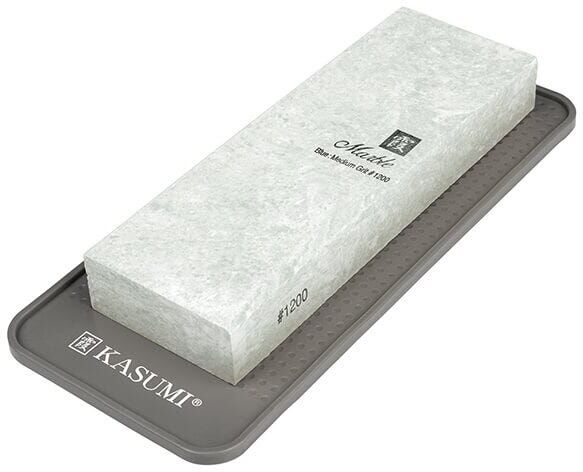
Kasumi Medium Whetstone with Silicone MatThis Kasumi whetstone has a medium 1200 grit for sharpening dull and blunted stainless steel blades. The whetstone is complete with a silicone mat that helps grip when in use. Complete with a whetstone holder. Dimensions: L18cm x W6.5cm x H2.5cm. Made in Seki, Japan.64,96 £*Shipping: 0,00 £Secure redirect to the provider
-
Is the precision mechanic similar to the machining mechanic?
While both precision mechanics and machining involve working with tools to create precise components, they are not exactly the same. Precision mechanics typically focuses on creating intricate and delicate components with high accuracy, often used in industries like watchmaking or electronics. Machining, on the other hand, involves using various tools to shape and cut raw materials into specific shapes and sizes, commonly used in industries like automotive or aerospace. Both mechanics require attention to detail and precision, but they differ in their specific applications and techniques. **
-
How can one learn to become an electronics technician for industrial engineering or automation technology?
To become an electronics technician for industrial engineering or automation technology, one can start by pursuing a relevant educational program, such as an associate degree in electronics engineering technology or industrial automation. These programs typically cover topics such as electrical circuits, industrial control systems, and automation technologies. Additionally, gaining hands-on experience through internships or apprenticeships with companies in the industrial engineering or automation field can provide valuable practical skills. Seeking professional certifications, such as those offered by organizations like the International Society of Automation (ISA) or the Electronics Technicians Association (ETA), can also demonstrate expertise and knowledge in the field. Finally, staying updated with the latest advancements in industrial engineering and automation technology through continuous learning and professional development is essential for a successful career in this field. **
-
Is programming taught in the field of Electrical Engineering and Information Technology?
Yes, programming is taught in the field of Electrical Engineering and Information Technology. Both fields require a strong foundation in programming languages such as C, C++, Python, and Java to develop software, design hardware, and work with embedded systems. Programming skills are essential for designing and implementing various electrical and information technology systems, including control systems, communication networks, and digital signal processing. Additionally, understanding programming concepts is crucial for developing innovative solutions and advancing technology in these fields. **
-
Is the technical diploma in automation technology difficult?
The difficulty of the technical diploma in automation technology can vary depending on the individual's background, experience, and aptitude for the subject matter. Some students may find the coursework challenging due to the complex concepts and technical skills required, while others with a strong foundation in math, science, and technology may find it more manageable. Overall, dedication, hard work, and a genuine interest in automation technology can help students succeed in completing the program. **


Is the electronics technician for automation technology difficult?
Becoming an electronics technician for automation technology can be challenging, as it requires a strong understanding of electrical systems, programming, and automation technology. The field is constantly evolving, so technicians must stay updated on the latest advancements and technologies. However, with dedication and the right training, individuals can develop the skills and knowledge needed to succeed in this role. It may be difficult at times, but the opportunities for growth and the potential to work on cutting-edge technology make it a rewarding career choice for those passionate about automation. **
How are electronics technicians trained for automation technology?
Electronics technicians are trained for automation technology through a combination of formal education and on-the-job training. They typically complete a post-secondary program in electronics or a related field, where they learn about electrical circuits, digital electronics, and control systems. Additionally, they receive specialized training in automation technology, which includes learning about programmable logic controllers (PLCs), industrial robotics, and process control systems. This training may also involve hands-on experience with automation equipment and systems in a lab or industrial setting. Overall, electronics technicians are trained to understand and troubleshoot the complex systems used in automation technology. **
Top-Angebote
Products related to Whetstone:
-
Samura Combination Whetstone 240 & 800The Samura Combination 240 & 800 Whetstone is suitable for the sharpening of blunt knives. The coarse 240 grit is ideal for reshaping the blade of a blunt knife and removing burrs that have occurred. The 800 grit can be used once the blunt knife is restored to shape for sharpening. The whetstone comes with a rubber holder in which the stone sits firmly during sharpening process. Submerged the whetstone in water for a few minutes before use.25,00 £*Shipping: 3,50 £Secure redirect to the provider
-
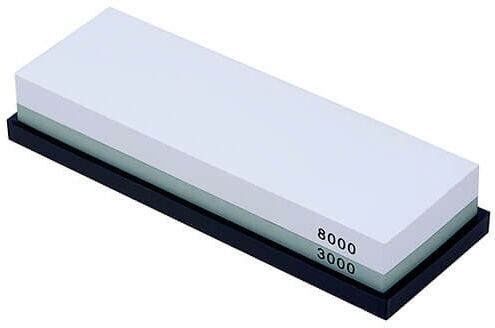
I.O.Shen Mastergrade 3000/8000 Grit WhetstoneThe I.O. Shen Mastergrade 3000 and 8000 Dual Grit Whetstone is a classic way to keep your knives razor sharp. Even the sharpest and most expensive blades will loose their edge over time and a sharp blade is more efficient, takes less effort to use and is safer as there is less likelihood of the blade slipping when in use. The super fine combination of this whetstone produces the finest finish for superior sharpness. The I.O. Shen Mastergrade Dual Grit Whetstone is a simple and effective method of keeping your knives in tip-top condition. Soak the whetstone in water for approximately 20 minutes before use. Place the whetstone back in its tray, coarse side up, allowing any excess water to drain off. Take your knife and smoothly run the blade in a sweeping motion over the length of the whetstone making sure you keep the blade at an angle of approximately 20° to the whetstone. Ensure that each sweep takes in the whole length of the blade - from heel to tip. Repeat this process several times then turn the knife around to work on the opposite side of the blade. This process will bring back the fine edge to the blade of a blunt knife and will also remove any small chips and nicks. Repeat the same process using the fine side of the whetstone to give the blade its razor sharp edge back. After sharpening always carefully handwash the knife and dry immediately with a tea towel.87,95 £*Shipping: 0,00 £Secure redirect to the provider
-
I.O.Shen Mastergrade 1000/3000 Grit WhetstoneThe I.O. Shen Mastergrade 1000 and 3000 Dual Grit Whetstone is a classic way to keep your knives razor sharp. Even the sharpest and most expensive blades will loose their edge over time and a sharp blade is more efficient, takes less effort to use and is safer as there is less likelihood of the blade slipping when in use. The fine combination of this whetstone produces a fine and polished edge for superior sharpness. The I.O. Shen Mastergrade Dual Grit Whetstone is a simple and effective method of keeping your knives in tip-top condition. Soak the whetstone in water for approximately 20 minutes before use. Place the whetstone back in its tray, coarse side up, allowing any excess water to drain off. Take your knife and smoothly run the blade in a sweeping motion over the length of the whetstone making sure you keep the blade at an angle of approximately 20° to the whetstone. Ensure that each sweep takes in the whole length of the blade - from heel to tip. Repeat this process several times then turn the knife around to work on the opposite side of the blade. This process will bring back the fine edge to the blade of a blunt knife and will also remove any small chips and nicks. Repeat the same process using the fine side of the whetstone to give the blade its razor sharp edge back. After sharpening always carefully handwash the knife and dry immediately with a tea towel.59,95 £*Shipping: 0,00 £Secure redirect to the provider
-
I.O.Shen Mastergrade 120/320 Grit WhetstoneThe I.O. Shen Mastergrade 120 and 320 Dual Grit Whetstone is a classic way to keep your knives razor sharp. Even the sharpest and most expensive blades will loose their edge over time and a sharp blade is more efficient, takes less effort to use and is safer as there is less likelihood of the blade slipping when in use The coarse combination of this whetstone is suitable for removing chips and nicks from blades. The I.O. Shen Mastergrade Dual Grit Whetstone is a simple and effective method of keeping your knives in tip-top condition. Soak the whetstone in water for approximately 20 minutes before use. Place the whetstone back in its tray, coarse side up, allowing any excess water to drain off. Take your knife and smoothly run the blade in a sweeping motion over the length of the whetstone making sure you keep the blade at an angle of approximately 20° to the whetstone. Ensure that each sweep takes in the whole length of the blade - from heel to tip. Repeat this process several times then turn the knife around to work on the opposite side of the blade. This process brings back the fine edge to the blade. Repeat the same process using the fine side of the whetstone to give the blade its razor sharp edge back. After sharpening always carefully handwash the knife and dry immediately with a tea towel.31,95 £*Shipping: 3,50 £Secure redirect to the provider
-
Is it possible to work as a machining mechanic after completing the training as a precision mechanic specializing in machining technology?
Yes, it is possible to work as a machining mechanic after completing training as a precision mechanic specializing in machining technology. The skills and knowledge gained during the precision mechanic training, such as operating and programming CNC machines, reading technical drawings, and understanding different machining processes, are directly applicable to the role of a machining mechanic. Additionally, with some additional training or on-the-job experience, a precision mechanic can easily transition into a role as a machining mechanic. **
-
How difficult is a study of robotics and automation?
The study of robotics and automation can be challenging due to its interdisciplinary nature, requiring knowledge in fields such as mechanical engineering, electrical engineering, computer science, and control systems. Additionally, the rapid advancements in technology and the need to stay updated with the latest developments can add to the complexity of the study. However, with dedication, problem-solving skills, and a strong foundation in mathematics and physics, students can overcome these challenges and excel in the field of robotics and automation. **
-
Is the precision mechanic similar to the machining mechanic?
While both precision mechanics and machining involve working with tools to create precise components, they are not exactly the same. Precision mechanics typically focuses on creating intricate and delicate components with high accuracy, often used in industries like watchmaking or electronics. Machining, on the other hand, involves using various tools to shape and cut raw materials into specific shapes and sizes, commonly used in industries like automotive or aerospace. Both mechanics require attention to detail and precision, but they differ in their specific applications and techniques. **
-
How can one learn to become an electronics technician for industrial engineering or automation technology?
To become an electronics technician for industrial engineering or automation technology, one can start by pursuing a relevant educational program, such as an associate degree in electronics engineering technology or industrial automation. These programs typically cover topics such as electrical circuits, industrial control systems, and automation technologies. Additionally, gaining hands-on experience through internships or apprenticeships with companies in the industrial engineering or automation field can provide valuable practical skills. Seeking professional certifications, such as those offered by organizations like the International Society of Automation (ISA) or the Electronics Technicians Association (ETA), can also demonstrate expertise and knowledge in the field. Finally, staying updated with the latest advancements in industrial engineering and automation technology through continuous learning and professional development is essential for a successful career in this field. **
Similar search terms for Whetstone
-
Kasumi Coarse Whetstone with Silicone MatThis Kasumi whetstone has a coarse 400 grit for repairing nicks and damaged blades. The whetstone is complete with a silicone mat that helps grip when in use. Complete with a whetstone holder. Dimensions: L18cm x W6.5cm x H2.5cm. Made in Seki, Japan.59,95 £*Shipping: 0,00 £Secure redirect to the provider
-
Kasumi Medium Whetstone with Silicone MatThis Kasumi whetstone has a medium 1200 grit for sharpening dull and blunted stainless steel blades. The whetstone is complete with a silicone mat that helps grip when in use. Complete with a whetstone holder. Dimensions: L18cm x W6.5cm x H2.5cm. Made in Seki, Japan.64,96 £*Shipping: 0,00 £Secure redirect to the provider
-
Kasumi Fine Whetstone with Silicone MatThis Kasumi whetstone has a fine 2000 grit for sharpening and polishing stainless steel blades. The whetstone is complete with a silicone mat that helps grip when in use. Complete with a whetstone holder. Dimensions: L18cm x W6.5cm x H2.5cm. Made in Seki, Japan.69,95 £*Shipping: 0,00 £Secure redirect to the provider
-
Rio Rockingham Forge Fine Ceramic WhetstoneThis Rockingham Forge high quality fine ceramic whetstone has a 3000 grit and is suitable for sharpening stainless steel knives. This ceramic whetstone is long lasting and cleaner than traditional whetstones. Perfect for honing your knife edge and requires a lot less oil or water for lubrication whilst sharpening. The whetstone includes a non-slip removable silicone base to ensure safe and even sharpening.18,75 £*Shipping: 3,50 £Secure redirect to the provider
-
Is programming taught in the field of Electrical Engineering and Information Technology?
Yes, programming is taught in the field of Electrical Engineering and Information Technology. Both fields require a strong foundation in programming languages such as C, C++, Python, and Java to develop software, design hardware, and work with embedded systems. Programming skills are essential for designing and implementing various electrical and information technology systems, including control systems, communication networks, and digital signal processing. Additionally, understanding programming concepts is crucial for developing innovative solutions and advancing technology in these fields. **
-
Is the technical diploma in automation technology difficult?
The difficulty of the technical diploma in automation technology can vary depending on the individual's background, experience, and aptitude for the subject matter. Some students may find the coursework challenging due to the complex concepts and technical skills required, while others with a strong foundation in math, science, and technology may find it more manageable. Overall, dedication, hard work, and a genuine interest in automation technology can help students succeed in completing the program. **
-
Is the electronics technician for automation technology difficult?
Becoming an electronics technician for automation technology can be challenging, as it requires a strong understanding of electrical systems, programming, and automation technology. The field is constantly evolving, so technicians must stay updated on the latest advancements and technologies. However, with dedication and the right training, individuals can develop the skills and knowledge needed to succeed in this role. It may be difficult at times, but the opportunities for growth and the potential to work on cutting-edge technology make it a rewarding career choice for those passionate about automation. **
-
How are electronics technicians trained for automation technology?
Electronics technicians are trained for automation technology through a combination of formal education and on-the-job training. They typically complete a post-secondary program in electronics or a related field, where they learn about electrical circuits, digital electronics, and control systems. Additionally, they receive specialized training in automation technology, which includes learning about programmable logic controllers (PLCs), industrial robotics, and process control systems. This training may also involve hands-on experience with automation equipment and systems in a lab or industrial setting. Overall, electronics technicians are trained to understand and troubleshoot the complex systems used in automation technology. **
* All prices are inclusive of VAT and, if applicable, plus shipping costs. The offer information is based on the details provided by the respective shop and is updated through automated processes. Real-time updates do not occur, so deviations can occur in individual cases. ** Note: Parts of this content were created by AI.