Buy cncb.eu ?
We are moving the project
cncb.eu .
Are you interested in purchasing the domain
cncb.eu ?
domain@kv-gmbh.de · 0541-91531010
Buy cncb.eu ?
"Mortar or mounting foam?"
The choice between mortar or mounting foam depends on the specific project and the materials being used. Mortar is a traditional and durable option for securing heavy materials like bricks or stone, while mounting foam is a versatile and easy-to-use option for lighter materials like insulation or trim. Consider the weight and type of material being installed, as well as the specific requirements of the project, when deciding between mortar or mounting foam. **
Doesn't the mounting adhesive hold?
The mounting adhesive is designed to securely hold the item in place, but it may not be strong enough for heavier items or in certain conditions. Factors such as the weight of the item, the surface it is being mounted on, and environmental factors can all affect the adhesive's ability to hold. It's always a good idea to follow the manufacturer's instructions and consider using additional support or reinforcement if needed. **
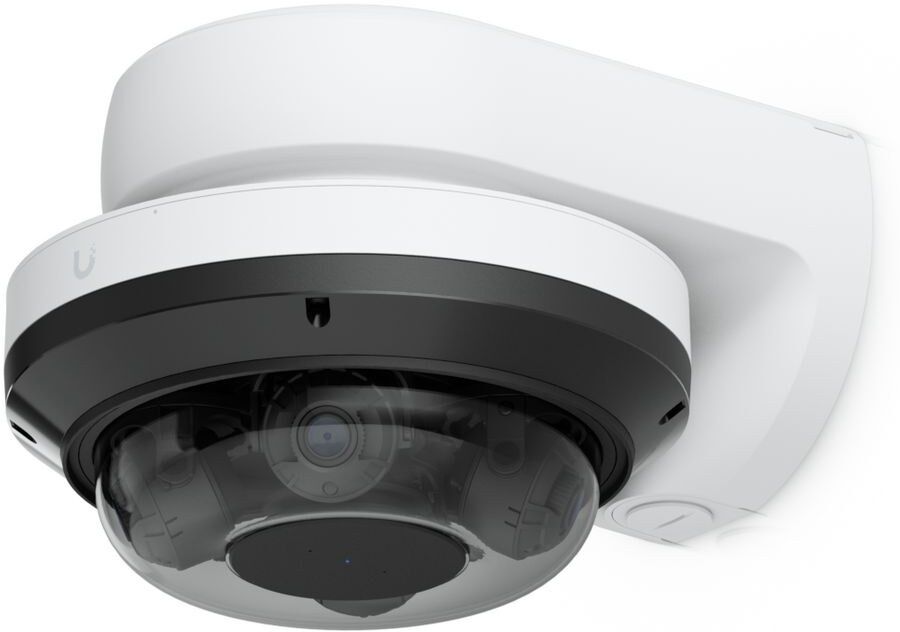

Similar search terms for Mounting
Top-Angebote
Products related to Mounting:



-
What is a standoff mounting?
A standoff mounting is a type of hardware used to secure and display items such as signs, artwork, or glass panels. It consists of a set of standoffs, which are small metal or plastic cylinders that are attached to the wall or surface, and screws or bolts that secure the item in place. The standoffs create a space between the item and the wall, giving it a floating or three-dimensional effect. This type of mounting is often used for aesthetic purposes, as it creates a modern and sleek look for the displayed item. **
-
Is it possible to work as a machining mechanic after completing the training as a precision mechanic specializing in machining technology?
Yes, it is possible to work as a machining mechanic after completing training as a precision mechanic specializing in machining technology. The skills and knowledge gained during the precision mechanic training, such as operating and programming CNC machines, reading technical drawings, and understanding different machining processes, are directly applicable to the role of a machining mechanic. Additionally, with some additional training or on-the-job experience, a precision mechanic can easily transition into a role as a machining mechanic. **
-
"Does it hold with mounting foam?"
Yes, mounting foam is designed to hold objects in place when applied correctly. It expands to fill gaps and adheres to various surfaces, providing a strong and durable bond. However, it's important to follow the manufacturer's instructions for proper application and ensure that the surfaces are clean and dry for the best results. **
-
How difficult is a study of robotics and automation?
The study of robotics and automation can be challenging due to its interdisciplinary nature, requiring knowledge in fields such as mechanical engineering, electrical engineering, computer science, and control systems. Additionally, the rapid advancements in technology and the need to stay updated with the latest developments can add to the complexity of the study. However, with dedication, problem-solving skills, and a strong foundation in mathematics and physics, students can overcome these challenges and excel in the field of robotics and automation. **


Is the precision mechanic similar to the machining mechanic?
While both precision mechanics and machining involve working with tools to create precise components, they are not exactly the same. Precision mechanics typically focuses on creating intricate and delicate components with high accuracy, often used in industries like watchmaking or electronics. Machining, on the other hand, involves using various tools to shape and cut raw materials into specific shapes and sizes, commonly used in industries like automotive or aerospace. Both mechanics require attention to detail and precision, but they differ in their specific applications and techniques. **
How can one find butterflies for mounting?
One can find butterflies for mounting by searching for them in their natural habitat, such as gardens, parks, or meadows. Another option is to purchase butterfly specimens from specialty stores or online retailers that sell ethically sourced butterflies. Additionally, attending insect exhibitions, butterfly farms, or contacting local entomology clubs can also be a way to find butterflies for mounting. It is important to ensure that the butterflies are obtained legally and ethically to protect their populations. **
Top-Angebote
Products related to Mounting:
-
"Mortar or mounting foam?"
The choice between mortar or mounting foam depends on the specific project and the materials being used. Mortar is a traditional and durable option for securing heavy materials like bricks or stone, while mounting foam is a versatile and easy-to-use option for lighter materials like insulation or trim. Consider the weight and type of material being installed, as well as the specific requirements of the project, when deciding between mortar or mounting foam. **
-
Doesn't the mounting adhesive hold?
The mounting adhesive is designed to securely hold the item in place, but it may not be strong enough for heavier items or in certain conditions. Factors such as the weight of the item, the surface it is being mounted on, and environmental factors can all affect the adhesive's ability to hold. It's always a good idea to follow the manufacturer's instructions and consider using additional support or reinforcement if needed. **
-
What is a standoff mounting?
A standoff mounting is a type of hardware used to secure and display items such as signs, artwork, or glass panels. It consists of a set of standoffs, which are small metal or plastic cylinders that are attached to the wall or surface, and screws or bolts that secure the item in place. The standoffs create a space between the item and the wall, giving it a floating or three-dimensional effect. This type of mounting is often used for aesthetic purposes, as it creates a modern and sleek look for the displayed item. **
-
Is it possible to work as a machining mechanic after completing the training as a precision mechanic specializing in machining technology?
Yes, it is possible to work as a machining mechanic after completing training as a precision mechanic specializing in machining technology. The skills and knowledge gained during the precision mechanic training, such as operating and programming CNC machines, reading technical drawings, and understanding different machining processes, are directly applicable to the role of a machining mechanic. Additionally, with some additional training or on-the-job experience, a precision mechanic can easily transition into a role as a machining mechanic. **
Similar search terms for Mounting
-
"Does it hold with mounting foam?"
Yes, mounting foam is designed to hold objects in place when applied correctly. It expands to fill gaps and adheres to various surfaces, providing a strong and durable bond. However, it's important to follow the manufacturer's instructions for proper application and ensure that the surfaces are clean and dry for the best results. **
-
How difficult is a study of robotics and automation?
The study of robotics and automation can be challenging due to its interdisciplinary nature, requiring knowledge in fields such as mechanical engineering, electrical engineering, computer science, and control systems. Additionally, the rapid advancements in technology and the need to stay updated with the latest developments can add to the complexity of the study. However, with dedication, problem-solving skills, and a strong foundation in mathematics and physics, students can overcome these challenges and excel in the field of robotics and automation. **
-
Is the precision mechanic similar to the machining mechanic?
While both precision mechanics and machining involve working with tools to create precise components, they are not exactly the same. Precision mechanics typically focuses on creating intricate and delicate components with high accuracy, often used in industries like watchmaking or electronics. Machining, on the other hand, involves using various tools to shape and cut raw materials into specific shapes and sizes, commonly used in industries like automotive or aerospace. Both mechanics require attention to detail and precision, but they differ in their specific applications and techniques. **
-
How can one find butterflies for mounting?
One can find butterflies for mounting by searching for them in their natural habitat, such as gardens, parks, or meadows. Another option is to purchase butterfly specimens from specialty stores or online retailers that sell ethically sourced butterflies. Additionally, attending insect exhibitions, butterfly farms, or contacting local entomology clubs can also be a way to find butterflies for mounting. It is important to ensure that the butterflies are obtained legally and ethically to protect their populations. **
* All prices are inclusive of VAT and, if applicable, plus shipping costs. The offer information is based on the details provided by the respective shop and is updated through automated processes. Real-time updates do not occur, so deviations can occur in individual cases. ** Note: Parts of this content were created by AI.