Buy cncb.eu ?
We are moving the project
cncb.eu .
Are you interested in purchasing the domain
cncb.eu ?
domain@kv-gmbh.de · 0541-91531010
Buy cncb.eu ?
What is the difference between metal, industrial metal, and NDH?
Metal is a broad genre of music that encompasses a wide range of styles, including heavy metal, thrash metal, and power metal. Industrial metal is a subgenre of metal that incorporates elements of industrial music, such as electronic sounds and samples, into the traditional metal sound. NDH, or Neue Deutsche Härte, is a specific subgenre of industrial metal that originated in Germany and is characterized by its use of German lyrics, heavy guitar riffs, and electronic elements. While industrial metal and NDH share similarities, NDH is specifically associated with the German language and has a distinct sound that sets it apart from other industrial metal subgenres. **
How can one learn to become an electronics technician for industrial engineering or automation technology?
To become an electronics technician for industrial engineering or automation technology, one can start by pursuing a relevant educational program, such as an associate degree in electronics engineering technology or industrial automation. These programs typically cover topics such as electrical circuits, industrial control systems, and automation technologies. Additionally, gaining hands-on experience through internships or apprenticeships with companies in the industrial engineering or automation field can provide valuable practical skills. Seeking professional certifications, such as those offered by organizations like the International Society of Automation (ISA) or the Electronics Technicians Association (ETA), can also demonstrate expertise and knowledge in the field. Finally, staying updated with the latest advancements in industrial engineering and automation technology through continuous learning and professional development is essential for a successful career in this field. **


Similar search terms for DEVERA-Industrial-Wood-Metal
Top-Angebote
Products related to DEVERA-Industrial-Wood-Metal:
-
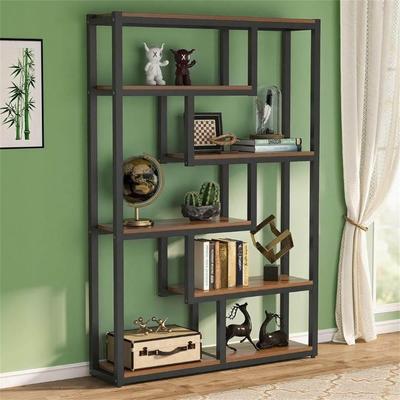
DEVERA 6 Tier Industrial Book ShelvesDetails [6 tier Industrial Book Shelves]Distinctively industrial-chic design with rich dark walnut shelving (MDF board) on sleek black steel frame, which is ideal for showing books, family photos, artwork etc.289,99 $*Shipping: 0,00 $Secure redirect to the provider
-
DEVERA "78.7"" Industrial 7-Shelf Bookcase"Details AMPLE STORAGE: This tall office shelf features 7-tier storage capacity, which not only provides sufficient display spaces for your favorite books or collections, but also helps you tuck away all your sundries and makes your living room look...266,99 $*Shipping: 0,00 $Secure redirect to the provider



-
How heavy is the industrial master metal?
The weight of an industrial master metal can vary depending on its size and specific composition. However, in general, industrial master metals can be quite heavy due to their dense and durable nature. They are often made from materials such as steel, iron, or other heavy metals, which can contribute to their substantial weight. It is not uncommon for industrial master metals to weigh several pounds or even more, depending on their intended use and application. **
-
What is harder: stone, wood, or metal?
Metal is generally harder than both stone and wood. While stone can be quite hard, it can also be brittle and prone to breaking. Wood is softer than both stone and metal, making it the least hard of the three materials. Metal, on the other hand, is known for its strength and durability, making it the hardest of the three materials. **
-
How do you switch from an electronics technician for industrial engineering to an electronics technician for automation technology?
To switch from being an electronics technician for industrial engineering to automation technology, you may need to acquire additional training or certifications specific to automation technology. This could involve taking courses or workshops focused on automation systems, programmable logic controllers (PLCs), robotics, and other relevant technologies. It would also be beneficial to gain practical experience in automation technology through internships or on-the-job training. Networking with professionals in the automation technology field and seeking out job opportunities that align with your new career focus can also help facilitate the transition. **
-
What is the difference between an electronics technician for industrial engineering and an electronics technician for automation technology?
An electronics technician for industrial engineering typically focuses on maintaining and repairing electronic systems used in various industries, such as manufacturing plants or power plants. They are responsible for ensuring that electronic equipment operates efficiently and safely within an industrial setting. On the other hand, an electronics technician for automation technology specializes in designing, installing, and maintaining automated systems that control machinery and processes. They work with programmable logic controllers (PLCs) and other advanced technologies to optimize production processes and increase efficiency in industrial automation. **
How does one switch from an electronics technician for industrial engineering to an electronics technician for automation technology?
To switch from being an electronics technician for industrial engineering to automation technology, one can start by gaining knowledge and skills specific to automation technology through courses, workshops, or certifications. It is important to familiarize oneself with automation systems, PLC programming, robotics, and other relevant technologies. Networking with professionals in the automation industry and seeking opportunities for hands-on experience in automation projects can also be beneficial. Updating one's resume and highlighting any relevant experience or skills related to automation technology will help in transitioning to a new role as an electronics technician for automation technology. **
How can one switch from an electronics technician for industrial engineering to an electronics technician for automation technology?
To switch from being an electronics technician for industrial engineering to automation technology, one can start by gaining knowledge and skills specific to automation technology through courses or training programs. It is important to familiarize oneself with automation systems, PLC programming, and control systems. Additionally, gaining hands-on experience in automation technology through internships or on-the-job training can be beneficial. Networking with professionals in the automation technology field and seeking mentorship can also help in making a successful transition. **
Top-Angebote
Products related to DEVERA-Industrial-Wood-Metal:
-
DEVERA Industrial Wood & Metal Bookcase"Details Impressive Design: Standing at 78.7"" H * 39.3"" W * 11.8"" D inches, this extra tall bookcase adds a striking display for your decor books and plants, enhancing any space with its significant stature."258,49 $*Shipping: 0,00 $Secure redirect to the provider
-
DEVERA 6 Tier Industrial Book ShelvesDetails [6 tier Industrial Book Shelves]Distinctively industrial-chic design with rich dark walnut shelving (MDF board) on sleek black steel frame, which is ideal for showing books, family photos, artwork etc.289,99 $*Shipping: 0,00 $Secure redirect to the provider
-
What is the difference between metal, industrial metal, and NDH?
Metal is a broad genre of music that encompasses a wide range of styles, including heavy metal, thrash metal, and power metal. Industrial metal is a subgenre of metal that incorporates elements of industrial music, such as electronic sounds and samples, into the traditional metal sound. NDH, or Neue Deutsche Härte, is a specific subgenre of industrial metal that originated in Germany and is characterized by its use of German lyrics, heavy guitar riffs, and electronic elements. While industrial metal and NDH share similarities, NDH is specifically associated with the German language and has a distinct sound that sets it apart from other industrial metal subgenres. **
-
How can one learn to become an electronics technician for industrial engineering or automation technology?
To become an electronics technician for industrial engineering or automation technology, one can start by pursuing a relevant educational program, such as an associate degree in electronics engineering technology or industrial automation. These programs typically cover topics such as electrical circuits, industrial control systems, and automation technologies. Additionally, gaining hands-on experience through internships or apprenticeships with companies in the industrial engineering or automation field can provide valuable practical skills. Seeking professional certifications, such as those offered by organizations like the International Society of Automation (ISA) or the Electronics Technicians Association (ETA), can also demonstrate expertise and knowledge in the field. Finally, staying updated with the latest advancements in industrial engineering and automation technology through continuous learning and professional development is essential for a successful career in this field. **
-
How heavy is the industrial master metal?
The weight of an industrial master metal can vary depending on its size and specific composition. However, in general, industrial master metals can be quite heavy due to their dense and durable nature. They are often made from materials such as steel, iron, or other heavy metals, which can contribute to their substantial weight. It is not uncommon for industrial master metals to weigh several pounds or even more, depending on their intended use and application. **
-
What is harder: stone, wood, or metal?
Metal is generally harder than both stone and wood. While stone can be quite hard, it can also be brittle and prone to breaking. Wood is softer than both stone and metal, making it the least hard of the three materials. Metal, on the other hand, is known for its strength and durability, making it the hardest of the three materials. **
Similar search terms for DEVERA-Industrial-Wood-Metal
-
DEVERA "78.7"" Industrial 7-Shelf Bookcase"Details AMPLE STORAGE: This tall office shelf features 7-tier storage capacity, which not only provides sufficient display spaces for your favorite books or collections, but also helps you tuck away all your sundries and makes your living room look...266,99 $*Shipping: 0,00 $Secure redirect to the provider
-
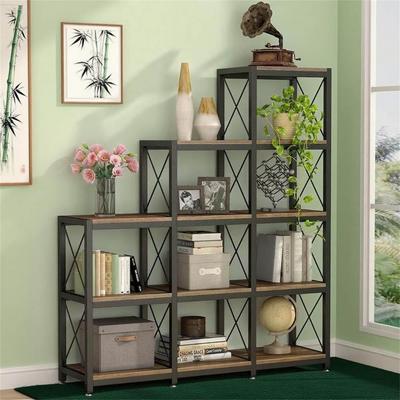
DEVERA Vintage Industrial 9-Cube Ladder BookcaseDetails [STEPPED DESIGN & VINTAGE STYLE]:The nine cubes of the multi-height etagere bookcase build up from right to left creating an eye-catching, staircase-style profile, metal frame and wood grain form a retro style, that's certain to complement any…271,99 $*Shipping: 0,00 $Secure redirect to the provider
-
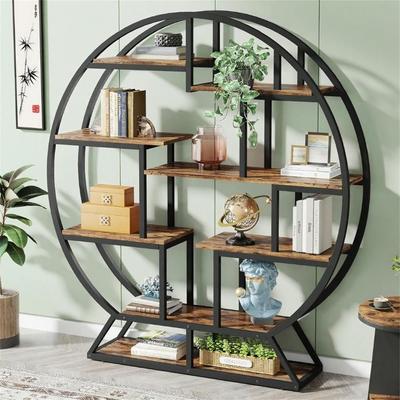
DEVERA Industrial 14-Tier Bookshelf with Staggered ShelvesDetails UNIQUE DESIGN & RETRO CHARM: Designed with round silhouette and staggered shelves, this industrial-inspired bookshelf creates an eye-catching display vignette and make a splash of your home decor.258,49 $*Shipping: 0,00 $Secure redirect to the provider
-
How do you switch from an electronics technician for industrial engineering to an electronics technician for automation technology?
To switch from being an electronics technician for industrial engineering to automation technology, you may need to acquire additional training or certifications specific to automation technology. This could involve taking courses or workshops focused on automation systems, programmable logic controllers (PLCs), robotics, and other relevant technologies. It would also be beneficial to gain practical experience in automation technology through internships or on-the-job training. Networking with professionals in the automation technology field and seeking out job opportunities that align with your new career focus can also help facilitate the transition. **
-
What is the difference between an electronics technician for industrial engineering and an electronics technician for automation technology?
An electronics technician for industrial engineering typically focuses on maintaining and repairing electronic systems used in various industries, such as manufacturing plants or power plants. They are responsible for ensuring that electronic equipment operates efficiently and safely within an industrial setting. On the other hand, an electronics technician for automation technology specializes in designing, installing, and maintaining automated systems that control machinery and processes. They work with programmable logic controllers (PLCs) and other advanced technologies to optimize production processes and increase efficiency in industrial automation. **
-
How does one switch from an electronics technician for industrial engineering to an electronics technician for automation technology?
To switch from being an electronics technician for industrial engineering to automation technology, one can start by gaining knowledge and skills specific to automation technology through courses, workshops, or certifications. It is important to familiarize oneself with automation systems, PLC programming, robotics, and other relevant technologies. Networking with professionals in the automation industry and seeking opportunities for hands-on experience in automation projects can also be beneficial. Updating one's resume and highlighting any relevant experience or skills related to automation technology will help in transitioning to a new role as an electronics technician for automation technology. **
-
How can one switch from an electronics technician for industrial engineering to an electronics technician for automation technology?
To switch from being an electronics technician for industrial engineering to automation technology, one can start by gaining knowledge and skills specific to automation technology through courses or training programs. It is important to familiarize oneself with automation systems, PLC programming, and control systems. Additionally, gaining hands-on experience in automation technology through internships or on-the-job training can be beneficial. Networking with professionals in the automation technology field and seeking mentorship can also help in making a successful transition. **
* All prices are inclusive of VAT and, if applicable, plus shipping costs. The offer information is based on the details provided by the respective shop and is updated through automated processes. Real-time updates do not occur, so deviations can occur in individual cases. ** Note: Parts of this content were created by AI.