Buy cncb.eu ?
We are moving the project
cncb.eu .
Are you interested in purchasing the domain
cncb.eu ?
domain@kv-gmbh.de · 0541-91531010
Buy cncb.eu ?
How difficult is a study of robotics and automation?
The study of robotics and automation can be challenging due to its interdisciplinary nature, requiring knowledge in fields such as mechanical engineering, electrical engineering, computer science, and control systems. Additionally, the rapid advancements in technology and the need to stay updated with the latest developments can add to the complexity of the study. However, with dedication, problem-solving skills, and a strong foundation in mathematics and physics, students can overcome these challenges and excel in the field of robotics and automation. **
Is it possible to work as a machining mechanic after completing the training as a precision mechanic specializing in machining technology?
Yes, it is possible to work as a machining mechanic after completing training as a precision mechanic specializing in machining technology. The skills and knowledge gained during the precision mechanic training, such as operating and programming CNC machines, reading technical drawings, and understanding different machining processes, are directly applicable to the role of a machining mechanic. Additionally, with some additional training or on-the-job experience, a precision mechanic can easily transition into a role as a machining mechanic. **


Similar search terms for MACMILLAN-Range-How-Generalists
Top-Angebote
Products related to MACMILLAN-Range-How-Generalists:
-
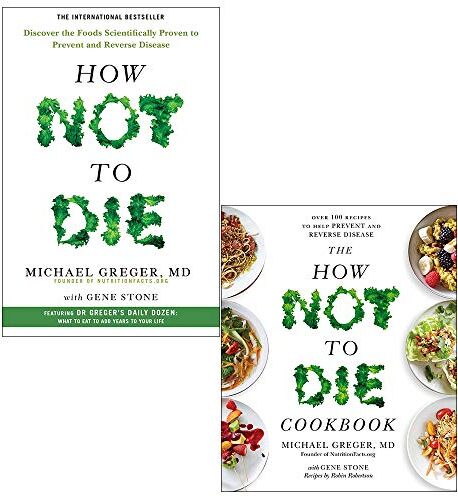
Pan Macmillan How Not To Die 2 Books Collection Set by Dr Michael Greger and Gene Stone (How Not To Die, How Not To Die Cookbook)How Not To Die Why rely on drugs and surgery to cure you of life-threatening disease when the right decisions can prevent you from falling ill to begin with? How Not To Die gives effective, scientifically-proven nutritional advice to prevent our biggest killers - including heart disease, breast cancer, prostate cancer, high blood pressure and diabetes - and reveals the astounding health benefits that simple dietary choices can provide. How Not To Die Cookbook Dr Michael Greger, founder of the wildly popular website NutritionFacts, takes his comprehensive, lifesaving science into the kitchen. Why suffer from disease and ill health when the right food is proven to keep you healthy, and without the side effects of drugs? We can avoid heart disease, cancer and our other biggest killers if we use food as medicine, and the How Not To Die Cookbook offers a sustainable and delicious guide to preparing and eating the foods that will prevent and reverse fatal diseases.15,45 £*Shipping: 2,99 £Secure redirect to the provider
-
Pan Macmillan Hyperfocus: How to Work Less to Achieve More by Chris BaileyHyperfocus by Chris Bailey is a practical guide to managing your attention – the most powerful resource you have to become more creative, get stuff done, and live a more meaningful life.In Hyperfocus, you will learn:- How working fewer hours can increase our productivity- How we get more done by making our work harder, not easier- How we do our best creative work when we're the most tiredOur attention has never been as overwhelmed as it is today and we've never been so busy while accomplishing so little.In Hyperfocus, Chris Bailey provides profound insights into how we can best manage our attention. He reveals how the brain switches between two mental modes – hyperfocus, our deep concentration mode, and scatterfocus, our creative, reflective mode – and how the surest path to being our most creative and efficient selves at work is to combine them both.2,99 £*Shipping: 1,99 £Secure redirect to the provider
-
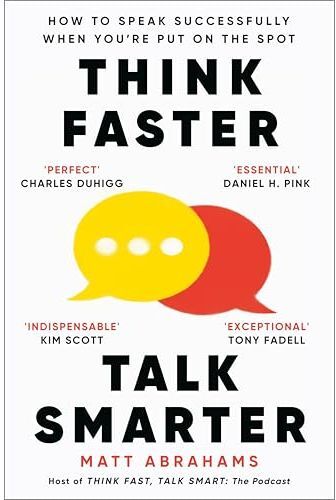
MACMILLAN Think Faster, Talk Smarter: How to Speak Successfully When You're Put on the SpotCommunication is crucial to success in life and business. However, it is not just big speeches that matter: it is also those critical, spur-of-the-moment situations for which we cannot prepare. A prospective client asking unexpected questions during a sales pitch, a teacher singling you out for an answer during a class, a high-pressure meeting with senior executives at work, or even a heartwarming toast to deliver on the spot. All are fraught scenarios that might cause you to freeze up. The pandemic boosted this fear, by stripping the spontaneity from communication during lockdown, and then changing the communication landscape in the years since. In this invaluable guide, Matt Abrahams provides a six-point methodology that will enable you to manage these stressful, impromptu circumstances to create and deliver crisp, compelling and calm communication. Think Faster, Talk Smarter is an energetic, engaging resource for anyone who wants to speak out, spread their ideas, and ultimately share their story.4,99 £*Shipping: 1,99 £Secure redirect to the provider
-
Pan Macmillan How Not to Die: Discover the Foods Scientifically Proven to Prevent and Reverse DiseaseWhy rely on drugs and surgery to cure you of life-threatening disease when the right decisions can prevent you from falling ill to begin with?How Not To Die gives effective, scientifically-proven nutritional advice to prevent our biggest killers - including heart disease, breast cancer, prostate cancer, high blood pressure and diabetes - and reveals the astounding health benefits that simple dietary choices can provide. Based on the latest scientific research, the internationally bestselling How Not To Die examines each of the most common diseases to reveal what, how and why different foods affect us, and how increasing our consumption of certain foods and avoiding others can dramatically reduce our risk of falling sick and even reverse the effects of disease. It also shares Dr Greger's 'Daily Dozen' - the twelve foods we should all eat every day to stay in the best of health. With emphasis on individual family health history and acknowledging that everyone needs something different, Dr Michael Greger offers practical dietary advice to help you live longer, healthier lives.7,95 £*Shipping: 2,99 £Secure redirect to the provider


-
How can one learn to become an electronics technician for industrial engineering or automation technology?
To become an electronics technician for industrial engineering or automation technology, one can start by pursuing a relevant educational program, such as an associate degree in electronics engineering technology or industrial automation. These programs typically cover topics such as electrical circuits, industrial control systems, and automation technologies. Additionally, gaining hands-on experience through internships or apprenticeships with companies in the industrial engineering or automation field can provide valuable practical skills. Seeking professional certifications, such as those offered by organizations like the International Society of Automation (ISA) or the Electronics Technicians Association (ETA), can also demonstrate expertise and knowledge in the field. Finally, staying updated with the latest advancements in industrial engineering and automation technology through continuous learning and professional development is essential for a successful career in this field. **
-
How are electronics technicians trained for automation technology?
Electronics technicians are trained for automation technology through a combination of formal education and on-the-job training. They typically complete a post-secondary program in electronics or a related field, where they learn about electrical circuits, digital electronics, and control systems. Additionally, they receive specialized training in automation technology, which includes learning about programmable logic controllers (PLCs), industrial robotics, and process control systems. This training may also involve hands-on experience with automation equipment and systems in a lab or industrial setting. Overall, electronics technicians are trained to understand and troubleshoot the complex systems used in automation technology. **
-
How is the range determined?
The range is determined by finding the difference between the highest and lowest values in a set of data. It represents the spread or variability of the data and provides a measure of the dispersion of the values. By subtracting the lowest value from the highest value, we can calculate the range and understand the extent of the data's distribution. The range is a simple and quick way to assess the spread of the data, but it can be sensitive to outliers and may not provide a complete picture of the data's variability. **
-
How is the vocal range and frequency range of the voice evaluated?
The vocal range of a voice is evaluated by determining the lowest and highest notes that a person can comfortably sing or produce. This is typically done by having the individual sing a series of scales or specific notes to identify their range. The frequency range of the voice is evaluated by analyzing the pitch or frequency of the sounds produced by the vocal cords. This can be done using specialized equipment such as a spectrogram or by using software to analyze the frequency of the voice. **
Is the precision mechanic similar to the machining mechanic?
While both precision mechanics and machining involve working with tools to create precise components, they are not exactly the same. Precision mechanics typically focuses on creating intricate and delicate components with high accuracy, often used in industries like watchmaking or electronics. Machining, on the other hand, involves using various tools to shape and cut raw materials into specific shapes and sizes, commonly used in industries like automotive or aerospace. Both mechanics require attention to detail and precision, but they differ in their specific applications and techniques. **
How can the efficiency be taken into account in machining performance?
Efficiency in machining performance can be taken into account by considering factors such as cutting speed, feed rate, and depth of cut. By optimizing these parameters based on the material being machined and the desired outcome, the efficiency of the machining process can be improved. Additionally, using high-quality cutting tools and ensuring proper tool maintenance can also contribute to increased efficiency in machining operations. Monitoring and analyzing the performance metrics such as material removal rate and tool wear can help in identifying areas for improvement and enhancing overall efficiency in machining processes. **
Top-Angebote
Products related to MACMILLAN-Range-How-Generalists:
-
MACMILLAN Range: How Generalists Triumph in a Specialized World by David EpsteinThe instant Sunday Times Top Ten and New York Times bestseller Shortlisted for the Financial Times/McKinsey Business Book of the Year Award A Financial Times Essential Reads A powerful argument for how to succeed in any field: develop broad interests and skills while everyone around you is rushing to specialize. From the ‘10,000 hours rule’ to the power of Tiger parenting, we have been taught that success in any field requires early specialization and many hours of deliberate practice. And, worse, that if you dabble or delay, you'll never catch up with those who got a head start. This is completely wrong. In this landmark book, David Epstein shows you that the way to succeed is by sampling widely, gaining a breadth of experiences, taking detours, experimenting relentlessly, juggling many interests – in other words, by developing range. Studying the world's most successful athletes, artists, musicians, inventors and scientists, Epstein demonstrates why in most fields – especially those that are complex and unpredictable – generalists, not specialists are primed to excel. No matter what you do, where you are in life, whether you are a teacher, student, scientist, business analyst, parent, job hunter, retiree, you will see the world differently after you've read Range. You'll understand better how we solve problems, how we learn and how we succeed. You'll see why failing a test is the best way to learn and why frequent quitters end up with the most fulfilling careers. As experts silo themselves further while computers master more of the skills once reserved for highly focused humans, Range shows how people who think broadly and embrace diverse experiences and perspectives will increasingly thrive and why spreading your knowledge across multiple domains is the key to your success, and how to achieve it.3,99 £*Shipping: 1,99 £Secure redirect to the provider
-
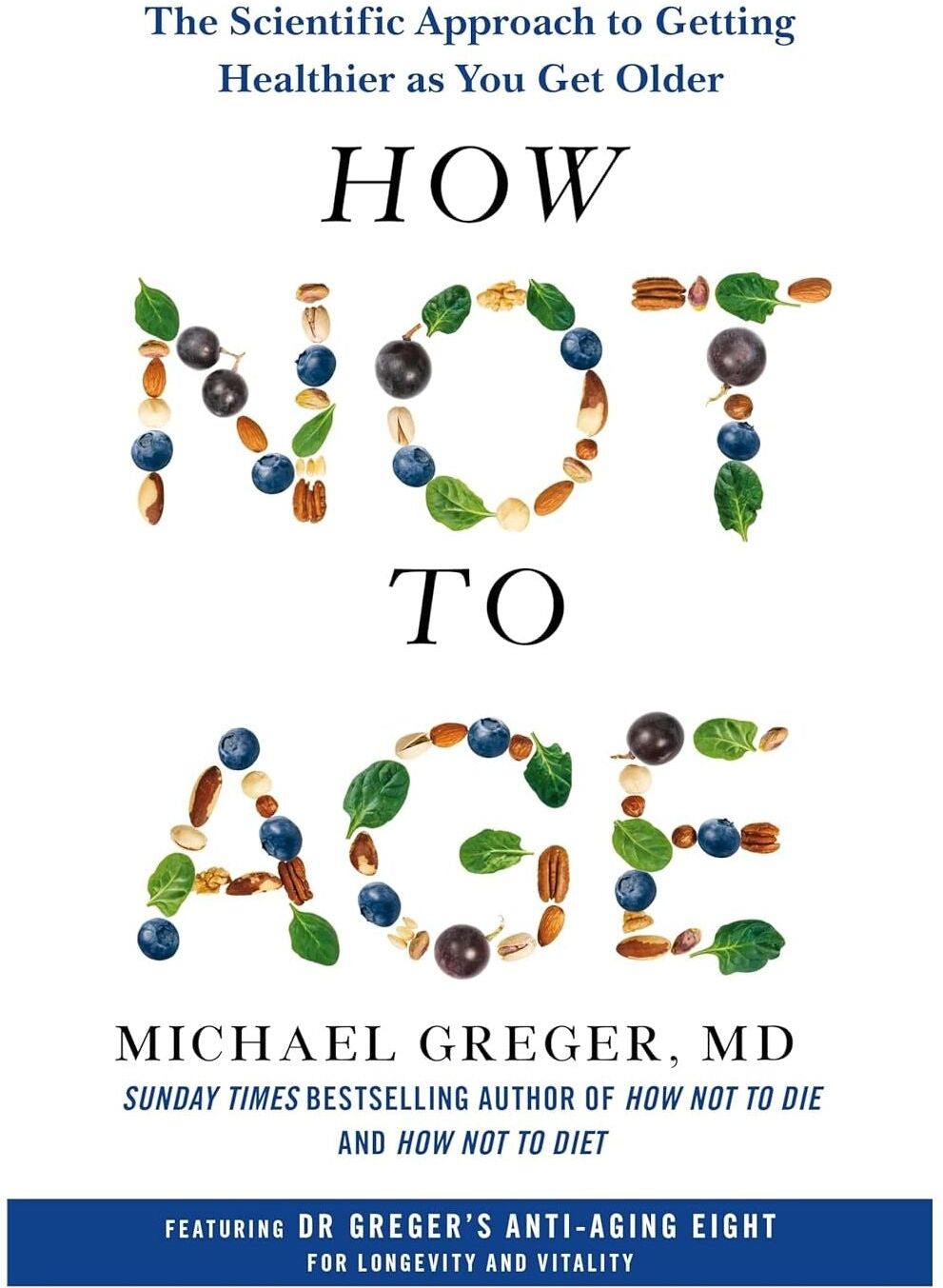
How Not to Age: by Michael Greger - Non Fiction - Paperback Pan MacmillanThe Scientific Approach to Getting Healthier as You Get Older Live better for longer with this ultimate guide to longevity from the author of How Not to Die. We all want to stay healthy as we age but, with so many different claims out there, it can be hard to know the best advice to follow. In How Not to Age, Dr Michael Greger digs into the top peer-reviewed anti-ageing research to deliver a complete and optimal guide with simple steps to extend your lifespan and slow the adverse effects of ageing. Inspired by the dietary and lifestyle patterns of the world’s centenarians and residents of ‘blue zone’ regions where people live the longest, Dr Greger presents easy, evidence-based ways to preserve the body functions that keep us feeling youthful, both physically and mentally. Can an apple a day really keep the doctor away? What’s better for your longevity, jogging for four hours or eating two handfuls of nuts twice a week? Brimming with expertise, How Not to Age lays out practical strategies for living your longest, healthiest life – and for enjoying every moment of it.10,99 £*Shipping: 2,99 £Secure redirect to the provider
-
Pan Macmillan How Not To Die 2 Books Collection Set by Dr Michael Greger and Gene Stone (How Not To Die, How Not To Die Cookbook)How Not To Die Why rely on drugs and surgery to cure you of life-threatening disease when the right decisions can prevent you from falling ill to begin with? How Not To Die gives effective, scientifically-proven nutritional advice to prevent our biggest killers - including heart disease, breast cancer, prostate cancer, high blood pressure and diabetes - and reveals the astounding health benefits that simple dietary choices can provide. How Not To Die Cookbook Dr Michael Greger, founder of the wildly popular website NutritionFacts, takes his comprehensive, lifesaving science into the kitchen. Why suffer from disease and ill health when the right food is proven to keep you healthy, and without the side effects of drugs? We can avoid heart disease, cancer and our other biggest killers if we use food as medicine, and the How Not To Die Cookbook offers a sustainable and delicious guide to preparing and eating the foods that will prevent and reverse fatal diseases.15,45 £*Shipping: 2,99 £Secure redirect to the provider
-
Pan Macmillan Hyperfocus: How to Work Less to Achieve More by Chris BaileyHyperfocus by Chris Bailey is a practical guide to managing your attention – the most powerful resource you have to become more creative, get stuff done, and live a more meaningful life.In Hyperfocus, you will learn:- How working fewer hours can increase our productivity- How we get more done by making our work harder, not easier- How we do our best creative work when we're the most tiredOur attention has never been as overwhelmed as it is today and we've never been so busy while accomplishing so little.In Hyperfocus, Chris Bailey provides profound insights into how we can best manage our attention. He reveals how the brain switches between two mental modes – hyperfocus, our deep concentration mode, and scatterfocus, our creative, reflective mode – and how the surest path to being our most creative and efficient selves at work is to combine them both.2,99 £*Shipping: 1,99 £Secure redirect to the provider
-
How difficult is a study of robotics and automation?
The study of robotics and automation can be challenging due to its interdisciplinary nature, requiring knowledge in fields such as mechanical engineering, electrical engineering, computer science, and control systems. Additionally, the rapid advancements in technology and the need to stay updated with the latest developments can add to the complexity of the study. However, with dedication, problem-solving skills, and a strong foundation in mathematics and physics, students can overcome these challenges and excel in the field of robotics and automation. **
-
Is it possible to work as a machining mechanic after completing the training as a precision mechanic specializing in machining technology?
Yes, it is possible to work as a machining mechanic after completing training as a precision mechanic specializing in machining technology. The skills and knowledge gained during the precision mechanic training, such as operating and programming CNC machines, reading technical drawings, and understanding different machining processes, are directly applicable to the role of a machining mechanic. Additionally, with some additional training or on-the-job experience, a precision mechanic can easily transition into a role as a machining mechanic. **
-
How can one learn to become an electronics technician for industrial engineering or automation technology?
To become an electronics technician for industrial engineering or automation technology, one can start by pursuing a relevant educational program, such as an associate degree in electronics engineering technology or industrial automation. These programs typically cover topics such as electrical circuits, industrial control systems, and automation technologies. Additionally, gaining hands-on experience through internships or apprenticeships with companies in the industrial engineering or automation field can provide valuable practical skills. Seeking professional certifications, such as those offered by organizations like the International Society of Automation (ISA) or the Electronics Technicians Association (ETA), can also demonstrate expertise and knowledge in the field. Finally, staying updated with the latest advancements in industrial engineering and automation technology through continuous learning and professional development is essential for a successful career in this field. **
-
How are electronics technicians trained for automation technology?
Electronics technicians are trained for automation technology through a combination of formal education and on-the-job training. They typically complete a post-secondary program in electronics or a related field, where they learn about electrical circuits, digital electronics, and control systems. Additionally, they receive specialized training in automation technology, which includes learning about programmable logic controllers (PLCs), industrial robotics, and process control systems. This training may also involve hands-on experience with automation equipment and systems in a lab or industrial setting. Overall, electronics technicians are trained to understand and troubleshoot the complex systems used in automation technology. **
Similar search terms for MACMILLAN-Range-How-Generalists
-
MACMILLAN Think Faster, Talk Smarter: How to Speak Successfully When You're Put on the SpotCommunication is crucial to success in life and business. However, it is not just big speeches that matter: it is also those critical, spur-of-the-moment situations for which we cannot prepare. A prospective client asking unexpected questions during a sales pitch, a teacher singling you out for an answer during a class, a high-pressure meeting with senior executives at work, or even a heartwarming toast to deliver on the spot. All are fraught scenarios that might cause you to freeze up. The pandemic boosted this fear, by stripping the spontaneity from communication during lockdown, and then changing the communication landscape in the years since. In this invaluable guide, Matt Abrahams provides a six-point methodology that will enable you to manage these stressful, impromptu circumstances to create and deliver crisp, compelling and calm communication. Think Faster, Talk Smarter is an energetic, engaging resource for anyone who wants to speak out, spread their ideas, and ultimately share their story.4,99 £*Shipping: 1,99 £Secure redirect to the provider
-
Pan Macmillan How Not to Die: Discover the Foods Scientifically Proven to Prevent and Reverse DiseaseWhy rely on drugs and surgery to cure you of life-threatening disease when the right decisions can prevent you from falling ill to begin with?How Not To Die gives effective, scientifically-proven nutritional advice to prevent our biggest killers - including heart disease, breast cancer, prostate cancer, high blood pressure and diabetes - and reveals the astounding health benefits that simple dietary choices can provide. Based on the latest scientific research, the internationally bestselling How Not To Die examines each of the most common diseases to reveal what, how and why different foods affect us, and how increasing our consumption of certain foods and avoiding others can dramatically reduce our risk of falling sick and even reverse the effects of disease. It also shares Dr Greger's 'Daily Dozen' - the twelve foods we should all eat every day to stay in the best of health. With emphasis on individual family health history and acknowledging that everyone needs something different, Dr Michael Greger offers practical dietary advice to help you live longer, healthier lives.7,95 £*Shipping: 2,99 £Secure redirect to the provider
-
Pan Macmillan How Not to Age: The Scientific Approach to Getting Healthier as You Get OlderLive better for longer with this ultimate guide to longevity from the bestselling author of How Not to Die. We all want to stay healthy as we age but, with so many different claims out there, it can be hard to know the best advice to follow. In How Not to Age, Dr Michael Greger digs into the top peer-reviewed anti-ageing research to deliver a complete and optimal guide with simple steps to extend your lifespan and slow the adverse effects of ageing. Inspired by the dietary and lifestyle patterns of the world’s centenarians and residents of ‘blue zone’ regions where people live the longest, Dr Greger presents easy, evidence-based ways to preserve the body functions that keep us feeling youthful, both physically and mentally. Can an apple a day really keep the doctor away? What’s better for your longevity, jogging for four hours or eating two handfuls of nuts twice a week? Brimming with expertise, How Not to Age lays out practical strategies for living your longest, healthiest life – and for enjoying every moment of it.9,99 £*Shipping: 2,99 £Secure redirect to the provider
-
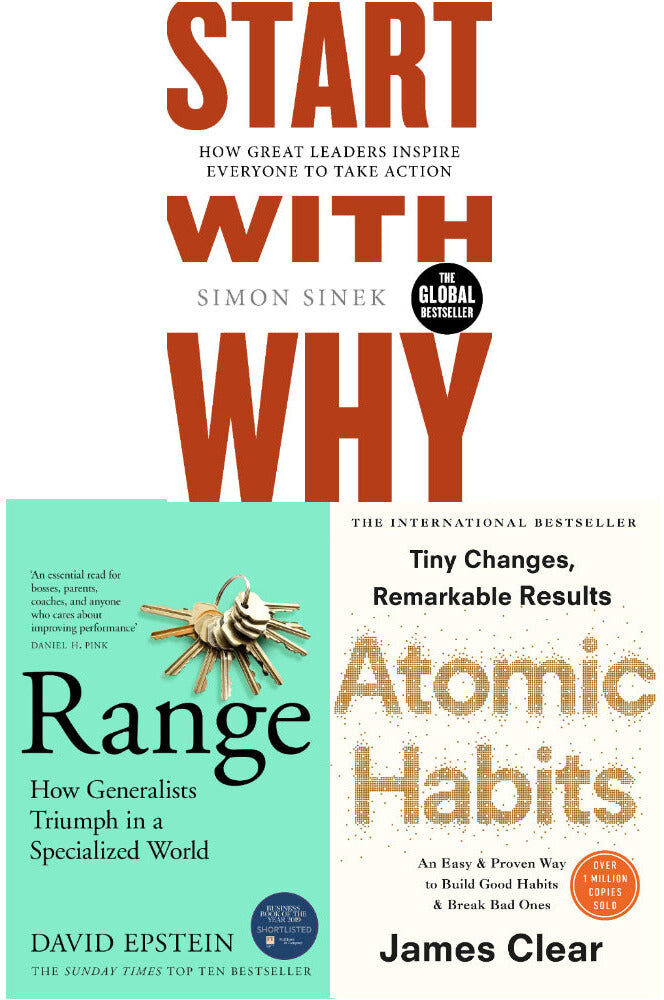
Pan Macmillan Atomic Habits, Range, Start With Why 3 Books Collection SetAtomic Habits, Range, Start With Why 3 Books Collection Set Range: How Generalists Triumph in a Specialized World From the ‘10,000 hours rule’ to the power of Tiger parenting, we have been taught that success in any field requires early specialization and many hours of deliberate practice. And, worse, that if you dabble or delay, you'll never catch up with those who got a head start. This is completely wrong. In this landmark book, David Epstein shows you that the way to succeed is by sampling widely, gaining a breadth of experiences, taking detours, experimenting relentlessly, juggling many interests – in other words, by developing range. Atomic Habits: the life-changing People think that when you want to change your life, you need to think big. But world-renowned habits expert James Clear has discovered another way. He knows that real change comes from the compound effect of hundreds of small decisions: doing two push-ups a day, waking up five minutes early, or holding a single short phone call. Start With Why: The Inspiring THE MILLION-COPY GLOBAL BESTSELLER - BASED ON THE LIFE-CHANGING TED TALK!WHAT READERS ARE SAYING ABOUT START WITH WHY:'It's amazing how a book can change the course of your life, and this book did that' Reader Review'Imagine the Ted Talk expanded to 2 hours long, with more depth, intrigue and examples' Reader Review'What he does brilliantly is demonstrate his own why - to inspire others - throughout' Reader Review'Wow. Wow. Wow.19,99 £*Shipping: 2,99 £Secure redirect to the provider
-
How is the range determined?
The range is determined by finding the difference between the highest and lowest values in a set of data. It represents the spread or variability of the data and provides a measure of the dispersion of the values. By subtracting the lowest value from the highest value, we can calculate the range and understand the extent of the data's distribution. The range is a simple and quick way to assess the spread of the data, but it can be sensitive to outliers and may not provide a complete picture of the data's variability. **
-
How is the vocal range and frequency range of the voice evaluated?
The vocal range of a voice is evaluated by determining the lowest and highest notes that a person can comfortably sing or produce. This is typically done by having the individual sing a series of scales or specific notes to identify their range. The frequency range of the voice is evaluated by analyzing the pitch or frequency of the sounds produced by the vocal cords. This can be done using specialized equipment such as a spectrogram or by using software to analyze the frequency of the voice. **
-
Is the precision mechanic similar to the machining mechanic?
While both precision mechanics and machining involve working with tools to create precise components, they are not exactly the same. Precision mechanics typically focuses on creating intricate and delicate components with high accuracy, often used in industries like watchmaking or electronics. Machining, on the other hand, involves using various tools to shape and cut raw materials into specific shapes and sizes, commonly used in industries like automotive or aerospace. Both mechanics require attention to detail and precision, but they differ in their specific applications and techniques. **
-
How can the efficiency be taken into account in machining performance?
Efficiency in machining performance can be taken into account by considering factors such as cutting speed, feed rate, and depth of cut. By optimizing these parameters based on the material being machined and the desired outcome, the efficiency of the machining process can be improved. Additionally, using high-quality cutting tools and ensuring proper tool maintenance can also contribute to increased efficiency in machining operations. Monitoring and analyzing the performance metrics such as material removal rate and tool wear can help in identifying areas for improvement and enhancing overall efficiency in machining processes. **
* All prices are inclusive of VAT and, if applicable, plus shipping costs. The offer information is based on the details provided by the respective shop and is updated through automated processes. Real-time updates do not occur, so deviations can occur in individual cases. ** Note: Parts of this content were created by AI.