Buy cncb.eu ?
We are moving the project
cncb.eu .
Are you interested in purchasing the domain
cncb.eu ?
domain@kv-gmbh.de · 0541-91531010
Buy cncb.eu ?
Is it possible to work as a machining mechanic after completing the training as a precision mechanic specializing in machining technology?
Yes, it is possible to work as a machining mechanic after completing training as a precision mechanic specializing in machining technology. The skills and knowledge gained during the precision mechanic training, such as operating and programming CNC machines, reading technical drawings, and understanding different machining processes, are directly applicable to the role of a machining mechanic. Additionally, with some additional training or on-the-job experience, a precision mechanic can easily transition into a role as a machining mechanic. **
How difficult is a study of robotics and automation?
The study of robotics and automation can be challenging due to its interdisciplinary nature, requiring knowledge in fields such as mechanical engineering, electrical engineering, computer science, and control systems. Additionally, the rapid advancements in technology and the need to stay updated with the latest developments can add to the complexity of the study. However, with dedication, problem-solving skills, and a strong foundation in mathematics and physics, students can overcome these challenges and excel in the field of robotics and automation. **


Similar search terms for Section
Top-Angebote
Products related to Section:


-
What is the meaning of cross-section and longitudinal section?
A cross-section is a two-dimensional representation of a three-dimensional object that is created by cutting the object perpendicular to its longest axis. It provides a view of the internal structure of the object. On the other hand, a longitudinal section is a two-dimensional representation of a three-dimensional object that is created by cutting the object parallel to its longest axis. It provides a view of the internal structure of the object along its length. Both types of sections are commonly used in fields such as anatomy, engineering, and geology to study the internal structure of objects. **
-
Is the precision mechanic similar to the machining mechanic?
While both precision mechanics and machining involve working with tools to create precise components, they are not exactly the same. Precision mechanics typically focuses on creating intricate and delicate components with high accuracy, often used in industries like watchmaking or electronics. Machining, on the other hand, involves using various tools to shape and cut raw materials into specific shapes and sizes, commonly used in industries like automotive or aerospace. Both mechanics require attention to detail and precision, but they differ in their specific applications and techniques. **
-
What is a pressure section and what is a sensory section?
A pressure section is a part of a device or system that measures the force per unit area exerted on a surface. This can be used to determine the pressure of a fluid or gas in a system. A sensory section, on the other hand, is a part of a system that is responsible for detecting and interpreting sensory information, such as temperature, light, sound, or other environmental stimuli. In the context of a pressure sensor, the pressure section would measure the force per unit area, while the sensory section would interpret and transmit this information for further processing or action. **
-
How can one learn to become an electronics technician for industrial engineering or automation technology?
To become an electronics technician for industrial engineering or automation technology, one can start by pursuing a relevant educational program, such as an associate degree in electronics engineering technology or industrial automation. These programs typically cover topics such as electrical circuits, industrial control systems, and automation technologies. Additionally, gaining hands-on experience through internships or apprenticeships with companies in the industrial engineering or automation field can provide valuable practical skills. Seeking professional certifications, such as those offered by organizations like the International Society of Automation (ISA) or the Electronics Technicians Association (ETA), can also demonstrate expertise and knowledge in the field. Finally, staying updated with the latest advancements in industrial engineering and automation technology through continuous learning and professional development is essential for a successful career in this field. **


Is programming taught in the field of Electrical Engineering and Information Technology?
Yes, programming is taught in the field of Electrical Engineering and Information Technology. Both fields require a strong foundation in programming languages such as C, C++, Python, and Java to develop software, design hardware, and work with embedded systems. Programming skills are essential for designing and implementing various electrical and information technology systems, including control systems, communication networks, and digital signal processing. Additionally, understanding programming concepts is crucial for developing innovative solutions and advancing technology in these fields. **
What is a vignette section?
A vignette section is a short, descriptive piece of writing that captures a moment, scene, or character in a concise and vivid way. It often focuses on a specific detail or aspect of a larger story, providing a snapshot that reveals deeper insights or emotions. Vignettes can help to create atmosphere, develop characters, or convey themes in a brief and impactful manner. **
Top-Angebote
Products related to Section:
-
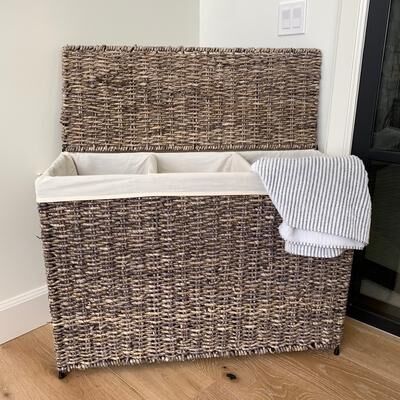
No Laundry Sorter 4 Section"LARGE CAPACITY: Frame dimension of 4 section laundry sorter: 39.37"" L x 16.93"" W x 31.50"" H, each laundry bag dimension: 14.76"" L x 8.66"" W x 21.65"" H, each laundry bag can hold up to 25 lbs 4 REMOVABLE BAGS with WATERPROOF and EASY WIPED LINING: Each…"139,99 $*Shipping: 0,00 $Secure redirect to the provider
-
Is it possible to work as a machining mechanic after completing the training as a precision mechanic specializing in machining technology?
Yes, it is possible to work as a machining mechanic after completing training as a precision mechanic specializing in machining technology. The skills and knowledge gained during the precision mechanic training, such as operating and programming CNC machines, reading technical drawings, and understanding different machining processes, are directly applicable to the role of a machining mechanic. Additionally, with some additional training or on-the-job experience, a precision mechanic can easily transition into a role as a machining mechanic. **
-
How difficult is a study of robotics and automation?
The study of robotics and automation can be challenging due to its interdisciplinary nature, requiring knowledge in fields such as mechanical engineering, electrical engineering, computer science, and control systems. Additionally, the rapid advancements in technology and the need to stay updated with the latest developments can add to the complexity of the study. However, with dedication, problem-solving skills, and a strong foundation in mathematics and physics, students can overcome these challenges and excel in the field of robotics and automation. **
-
What is the meaning of cross-section and longitudinal section?
A cross-section is a two-dimensional representation of a three-dimensional object that is created by cutting the object perpendicular to its longest axis. It provides a view of the internal structure of the object. On the other hand, a longitudinal section is a two-dimensional representation of a three-dimensional object that is created by cutting the object parallel to its longest axis. It provides a view of the internal structure of the object along its length. Both types of sections are commonly used in fields such as anatomy, engineering, and geology to study the internal structure of objects. **
-
Is the precision mechanic similar to the machining mechanic?
While both precision mechanics and machining involve working with tools to create precise components, they are not exactly the same. Precision mechanics typically focuses on creating intricate and delicate components with high accuracy, often used in industries like watchmaking or electronics. Machining, on the other hand, involves using various tools to shape and cut raw materials into specific shapes and sizes, commonly used in industries like automotive or aerospace. Both mechanics require attention to detail and precision, but they differ in their specific applications and techniques. **
Similar search terms for Section
-
No Laundry Sorter 4 Section"LARGE CAPACITY: Frame dimension of 4 section laundry sorter: 39.37"" L x 16.93"" W x 31.50"" H, each laundry bag dimension: 14.76"" L x 8.66"" W x 21.65"" H, each laundry bag can hold up to 25 lbs 4 REMOVABLE BAGS with WATERPROOF and EASY WIPED LINING: Each…"134,99 $*Shipping: 0,00 $Secure redirect to the provider
-
No Laundry Sorter 4 Section"LARGE CAPACITY: Frame dimension of 4 section laundry sorter: 39.37"" L x 16.93"" W x 31.50"" H, each laundry bag dimension: 14.76"" L x 8.66"" W x 21.65"" H, each laundry bag can hold up to 25 lbs 4 REMOVABLE BAGS with WATERPROOF and EASY WIPED LINING: Each…"134,99 $*Shipping: 0,00 $Secure redirect to the provider
-
What is a pressure section and what is a sensory section?
A pressure section is a part of a device or system that measures the force per unit area exerted on a surface. This can be used to determine the pressure of a fluid or gas in a system. A sensory section, on the other hand, is a part of a system that is responsible for detecting and interpreting sensory information, such as temperature, light, sound, or other environmental stimuli. In the context of a pressure sensor, the pressure section would measure the force per unit area, while the sensory section would interpret and transmit this information for further processing or action. **
-
How can one learn to become an electronics technician for industrial engineering or automation technology?
To become an electronics technician for industrial engineering or automation technology, one can start by pursuing a relevant educational program, such as an associate degree in electronics engineering technology or industrial automation. These programs typically cover topics such as electrical circuits, industrial control systems, and automation technologies. Additionally, gaining hands-on experience through internships or apprenticeships with companies in the industrial engineering or automation field can provide valuable practical skills. Seeking professional certifications, such as those offered by organizations like the International Society of Automation (ISA) or the Electronics Technicians Association (ETA), can also demonstrate expertise and knowledge in the field. Finally, staying updated with the latest advancements in industrial engineering and automation technology through continuous learning and professional development is essential for a successful career in this field. **
-
Is programming taught in the field of Electrical Engineering and Information Technology?
Yes, programming is taught in the field of Electrical Engineering and Information Technology. Both fields require a strong foundation in programming languages such as C, C++, Python, and Java to develop software, design hardware, and work with embedded systems. Programming skills are essential for designing and implementing various electrical and information technology systems, including control systems, communication networks, and digital signal processing. Additionally, understanding programming concepts is crucial for developing innovative solutions and advancing technology in these fields. **
-
What is a vignette section?
A vignette section is a short, descriptive piece of writing that captures a moment, scene, or character in a concise and vivid way. It often focuses on a specific detail or aspect of a larger story, providing a snapshot that reveals deeper insights or emotions. Vignettes can help to create atmosphere, develop characters, or convey themes in a brief and impactful manner. **
* All prices are inclusive of VAT and, if applicable, plus shipping costs. The offer information is based on the details provided by the respective shop and is updated through automated processes. Real-time updates do not occur, so deviations can occur in individual cases. ** Note: Parts of this content were created by AI.