Buy cncb.eu ?
We are moving the project
cncb.eu .
Are you interested in purchasing the domain
cncb.eu ?
domain@kv-gmbh.de · 0541-91531010
Buy cncb.eu ?
Why are thermoelectric refrigerators not used?
Thermoelectric refrigerators are not commonly used for large-scale refrigeration purposes because they are less energy-efficient compared to traditional compressor-based refrigeration systems. They also have limited cooling capacity and are not suitable for cooling large volumes of food or other perishable items. Additionally, thermoelectric refrigerators tend to be more expensive to manufacture and maintain, making them less cost-effective for commercial or industrial applications. **
Which sensor is needed for this thermoelectric generator? What component is it?
The sensor needed for a thermoelectric generator is a temperature sensor. This component is essential for monitoring the temperature difference between the hot and cold sides of the thermoelectric module. By accurately measuring this temperature difference, the thermoelectric generator can efficiently convert heat into electricity. The temperature sensor helps ensure that the system operates at its optimal performance level. **
Similar search terms for Thermoelectric
Top-Angebote
Products related to Thermoelectric:
-
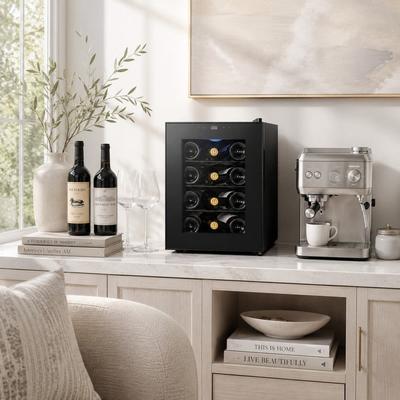
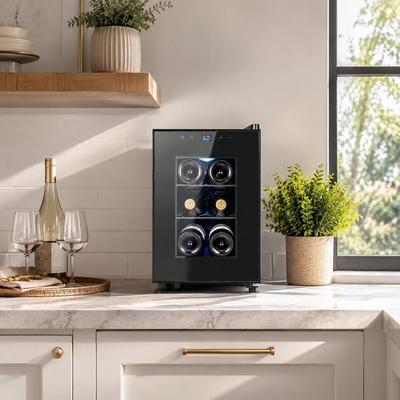
Yeego 10.2 inch 8-Bottle Thermoelectric Wine Cooler, Countertop Refrigerator with UV-Protected GlassStore and showcase your favorite wines with this compact 8-Bottle Thermoelectric Wine Cooler. Designed for countertops, apartments, offices, and home bars, it features quiet, vibration-free thermoelectric cooling to help preserve wine flavor and aroma.165,45 $*Shipping: 0,00 $Secure redirect to the provider
-
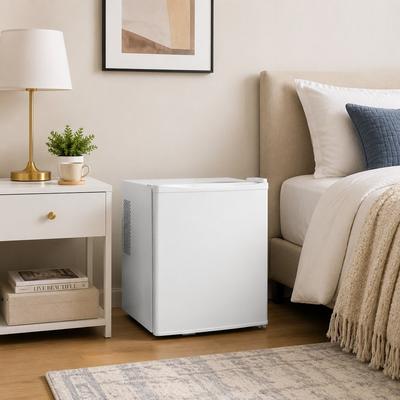
Yeego 17.7 in. 2.47 Cu. Ft. Quiet Mini Thermoelectric Fridge, Single Door Compact RefrigeratorKeep beverages and snacks conveniently chilled with this compact 2.47 cu. ft. thermoelectric mini fridge. Quiet, vibration-free semiconductor cooling makes it a practical choice for bedrooms, dorms, offices, apartments, and entertainment spaces.227,39 $*Shipping: 0,00 $Secure redirect to the provider


-
Is it possible to work as a machining mechanic after completing the training as a precision mechanic specializing in machining technology?
Yes, it is possible to work as a machining mechanic after completing training as a precision mechanic specializing in machining technology. The skills and knowledge gained during the precision mechanic training, such as operating and programming CNC machines, reading technical drawings, and understanding different machining processes, are directly applicable to the role of a machining mechanic. Additionally, with some additional training or on-the-job experience, a precision mechanic can easily transition into a role as a machining mechanic. **
-
How difficult is a study of robotics and automation?
The study of robotics and automation can be challenging due to its interdisciplinary nature, requiring knowledge in fields such as mechanical engineering, electrical engineering, computer science, and control systems. Additionally, the rapid advancements in technology and the need to stay updated with the latest developments can add to the complexity of the study. However, with dedication, problem-solving skills, and a strong foundation in mathematics and physics, students can overcome these challenges and excel in the field of robotics and automation. **
-
Is the precision mechanic similar to the machining mechanic?
While both precision mechanics and machining involve working with tools to create precise components, they are not exactly the same. Precision mechanics typically focuses on creating intricate and delicate components with high accuracy, often used in industries like watchmaking or electronics. Machining, on the other hand, involves using various tools to shape and cut raw materials into specific shapes and sizes, commonly used in industries like automotive or aerospace. Both mechanics require attention to detail and precision, but they differ in their specific applications and techniques. **
-
How can one learn to become an electronics technician for industrial engineering or automation technology?
To become an electronics technician for industrial engineering or automation technology, one can start by pursuing a relevant educational program, such as an associate degree in electronics engineering technology or industrial automation. These programs typically cover topics such as electrical circuits, industrial control systems, and automation technologies. Additionally, gaining hands-on experience through internships or apprenticeships with companies in the industrial engineering or automation field can provide valuable practical skills. Seeking professional certifications, such as those offered by organizations like the International Society of Automation (ISA) or the Electronics Technicians Association (ETA), can also demonstrate expertise and knowledge in the field. Finally, staying updated with the latest advancements in industrial engineering and automation technology through continuous learning and professional development is essential for a successful career in this field. **
Is programming taught in the field of Electrical Engineering and Information Technology?
Yes, programming is taught in the field of Electrical Engineering and Information Technology. Both fields require a strong foundation in programming languages such as C, C++, Python, and Java to develop software, design hardware, and work with embedded systems. Programming skills are essential for designing and implementing various electrical and information technology systems, including control systems, communication networks, and digital signal processing. Additionally, understanding programming concepts is crucial for developing innovative solutions and advancing technology in these fields. **
Is the technical diploma in automation technology difficult?
The difficulty of the technical diploma in automation technology can vary depending on the individual's background, experience, and aptitude for the subject matter. Some students may find the coursework challenging due to the complex concepts and technical skills required, while others with a strong foundation in math, science, and technology may find it more manageable. Overall, dedication, hard work, and a genuine interest in automation technology can help students succeed in completing the program. **
Top-Angebote
Products related to Thermoelectric:
-
Yeego 10.2 inch 8-Bottle Thermoelectric Wine Cooler, Countertop Refrigerator with UV-Protected GlassStore and showcase your favorite wines with this compact 8-Bottle Thermoelectric Wine Cooler. Designed for countertops, apartments, offices, and home bars, it features quiet, vibration-free thermoelectric cooling to help preserve wine flavor and aroma.165,45 $*Shipping: 0,00 $Secure redirect to the provider
-
Why are thermoelectric refrigerators not used?
Thermoelectric refrigerators are not commonly used for large-scale refrigeration purposes because they are less energy-efficient compared to traditional compressor-based refrigeration systems. They also have limited cooling capacity and are not suitable for cooling large volumes of food or other perishable items. Additionally, thermoelectric refrigerators tend to be more expensive to manufacture and maintain, making them less cost-effective for commercial or industrial applications. **
-
Which sensor is needed for this thermoelectric generator? What component is it?
The sensor needed for a thermoelectric generator is a temperature sensor. This component is essential for monitoring the temperature difference between the hot and cold sides of the thermoelectric module. By accurately measuring this temperature difference, the thermoelectric generator can efficiently convert heat into electricity. The temperature sensor helps ensure that the system operates at its optimal performance level. **
-
Is it possible to work as a machining mechanic after completing the training as a precision mechanic specializing in machining technology?
Yes, it is possible to work as a machining mechanic after completing training as a precision mechanic specializing in machining technology. The skills and knowledge gained during the precision mechanic training, such as operating and programming CNC machines, reading technical drawings, and understanding different machining processes, are directly applicable to the role of a machining mechanic. Additionally, with some additional training or on-the-job experience, a precision mechanic can easily transition into a role as a machining mechanic. **
-
How difficult is a study of robotics and automation?
The study of robotics and automation can be challenging due to its interdisciplinary nature, requiring knowledge in fields such as mechanical engineering, electrical engineering, computer science, and control systems. Additionally, the rapid advancements in technology and the need to stay updated with the latest developments can add to the complexity of the study. However, with dedication, problem-solving skills, and a strong foundation in mathematics and physics, students can overcome these challenges and excel in the field of robotics and automation. **
Similar search terms for Thermoelectric
-
Yeego 17.7 in. 2.47 Cu. Ft. Quiet Mini Thermoelectric Fridge, Single Door Compact RefrigeratorKeep beverages and snacks conveniently chilled with this compact 2.47 cu. ft. thermoelectric mini fridge. Quiet, vibration-free semiconductor cooling makes it a practical choice for bedrooms, dorms, offices, apartments, and entertainment spaces.227,39 $*Shipping: 0,00 $Secure redirect to the provider
-
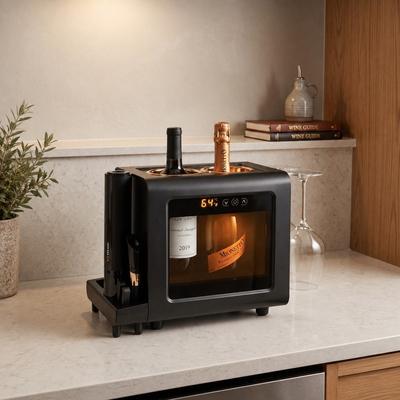
Ca'Lefort 2-Bottle Electric Wine Chiller Gift Set, Thermoelectric Cooler with Electric Opener, Vacuum SealerEnjoy perfectly chilled wine with the Ca'Lefort 2-Bottle Electric Wine Chiller, designed for red, white, rosé, and sparkling wines.Its thermoelectric cooling system provides precise 46–65°F temperature control with quiet operation and an easy-to-read…311,49 $*Shipping: 0,00 $Secure redirect to the provider
-
Is the precision mechanic similar to the machining mechanic?
While both precision mechanics and machining involve working with tools to create precise components, they are not exactly the same. Precision mechanics typically focuses on creating intricate and delicate components with high accuracy, often used in industries like watchmaking or electronics. Machining, on the other hand, involves using various tools to shape and cut raw materials into specific shapes and sizes, commonly used in industries like automotive or aerospace. Both mechanics require attention to detail and precision, but they differ in their specific applications and techniques. **
-
How can one learn to become an electronics technician for industrial engineering or automation technology?
To become an electronics technician for industrial engineering or automation technology, one can start by pursuing a relevant educational program, such as an associate degree in electronics engineering technology or industrial automation. These programs typically cover topics such as electrical circuits, industrial control systems, and automation technologies. Additionally, gaining hands-on experience through internships or apprenticeships with companies in the industrial engineering or automation field can provide valuable practical skills. Seeking professional certifications, such as those offered by organizations like the International Society of Automation (ISA) or the Electronics Technicians Association (ETA), can also demonstrate expertise and knowledge in the field. Finally, staying updated with the latest advancements in industrial engineering and automation technology through continuous learning and professional development is essential for a successful career in this field. **
-
Is programming taught in the field of Electrical Engineering and Information Technology?
Yes, programming is taught in the field of Electrical Engineering and Information Technology. Both fields require a strong foundation in programming languages such as C, C++, Python, and Java to develop software, design hardware, and work with embedded systems. Programming skills are essential for designing and implementing various electrical and information technology systems, including control systems, communication networks, and digital signal processing. Additionally, understanding programming concepts is crucial for developing innovative solutions and advancing technology in these fields. **
-
Is the technical diploma in automation technology difficult?
The difficulty of the technical diploma in automation technology can vary depending on the individual's background, experience, and aptitude for the subject matter. Some students may find the coursework challenging due to the complex concepts and technical skills required, while others with a strong foundation in math, science, and technology may find it more manageable. Overall, dedication, hard work, and a genuine interest in automation technology can help students succeed in completing the program. **
* All prices are inclusive of VAT and, if applicable, plus shipping costs. The offer information is based on the details provided by the respective shop and is updated through automated processes. Real-time updates do not occur, so deviations can occur in individual cases. ** Note: Parts of this content were created by AI.