Buy cncb.eu ?
We are moving the project
cncb.eu .
Are you interested in purchasing the domain
cncb.eu ?
domain@kv-gmbh.de · 0541-91531010
Buy cncb.eu ?
Are workbooks private property?
Workbooks can be considered private property if they are owned by an individual or organization. The contents of a workbook, such as personal notes, ideas, or data, are typically considered private and confidential. However, if a workbook is provided by an employer or used in a shared workspace, it may not be considered private property and could be subject to certain rules or regulations regarding its use and access. **
'How do I keep old workbooks?'
You can keep old workbooks by organizing them in a designated storage area, such as a filing cabinet or storage box. Label each workbook with the date and subject to easily locate them in the future. Consider digitizing the workbooks by scanning or taking photos of the pages to save space and preserve the content. Additionally, periodically review the old workbooks to determine if any information can be discarded or if they can be repurposed for future use. **
Similar search terms for Workbooks
Top-Angebote
Products related to Workbooks:
-
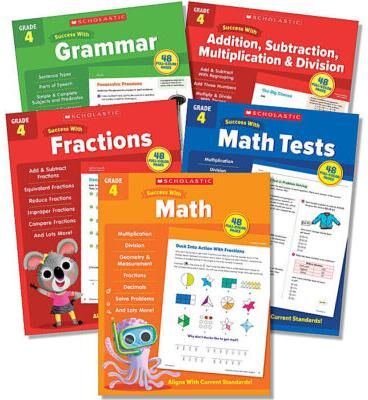
Scholastic - Children's Activity Books & Workbooks Scholastic Success With Grade 4 Value PackReinforce key skills with these exciting practice books!This set includes:Scholastic Success With Grade 4: Addition, Subtraction, Multiplication & DivisionScholastic Success With Grade 4: FractionsScholastic Success With Grade 4: GrammarScholastic...47,53 $*Shipping: 0,00 $Secure redirect to the provider
-
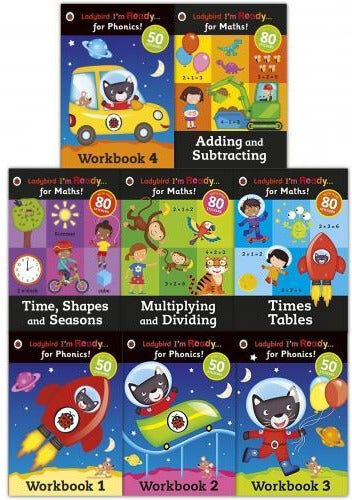
Ladybird I Am Ready Phonics Workbooks And Maths 8 Books Collection SetLadybird I Am Ready Phonics Workbooks And Maths 8 Books Collection Set Description: Ladybird I'm Ready... is the perfect way to support school learning. Providing structured practice of phonics and essential maths concepts; these bright; motivating books help to reinforce learning in a fun way. Ladybird I'm Ready for Phonics activity books are a great way for children to learn and practise their phonics skills. The series of phonic readers and their accompanying activity workbooks have been carefully written to give gradual; structured practise of the synthetic phonics your child is learning at school. This activity workbook includes lots of fun activities and stickers to help your child practise their letters and sounds and early reading skills; just as they do at school; and will help children prepare for the Phonics Screening Check at the end of Year 1. The series closely follows the order that a child is taught phonics in school; from initial letter sounds to key phonemes and beyond. It helps to build reading confidence through practice of these phonics building blocks; and reinforces school learning in a fun way. The mix of stickers and colourful activities help to reinforce maths learning in a fun way; and there are helpful parent notes on every page; as well as a maths glossary for any parents who might be nervous about maths themselves! Title in the Set are: Ladybird I'm Ready for Phonics - Workbook 1 Ladybird I'm Ready for Phonics - Workbook 2 Ladybird I'm Ready for Phonics - Workbook 3 Ladybird I'm Ready for Phonics - Workbook 4 Ladybird I'm Ready for Maths - Multiplying and Dividing Ladybird I'm Ready for Maths - Times Tables Ladybird I'm Ready for Maths - Adding and Subtracting Ladybird I'm Ready for Maths - Time; Shapes and Seasons13,89 £*Shipping: 2,99 £Secure redirect to the provider
-
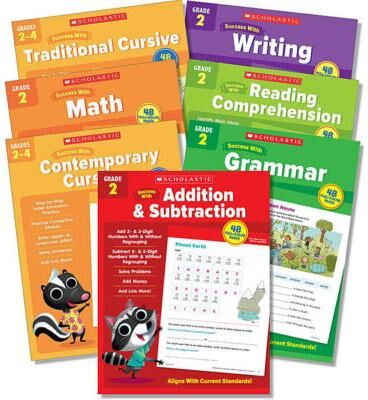
Scholastic - Children's Activity Books & Workbooks Scholastic Success With Grade 2 Value PackReinforce key skills with these exciting practice books!This set includes:Scholastic Success With Grade 2: Addition & SubtractionScholastic Success With Grade 2: GrammarScholastic Success With Grade 2: MathScholastic Success With Grade 2: Reading...41,59 $*Shipping: 0,00 $Secure redirect to the provider
-
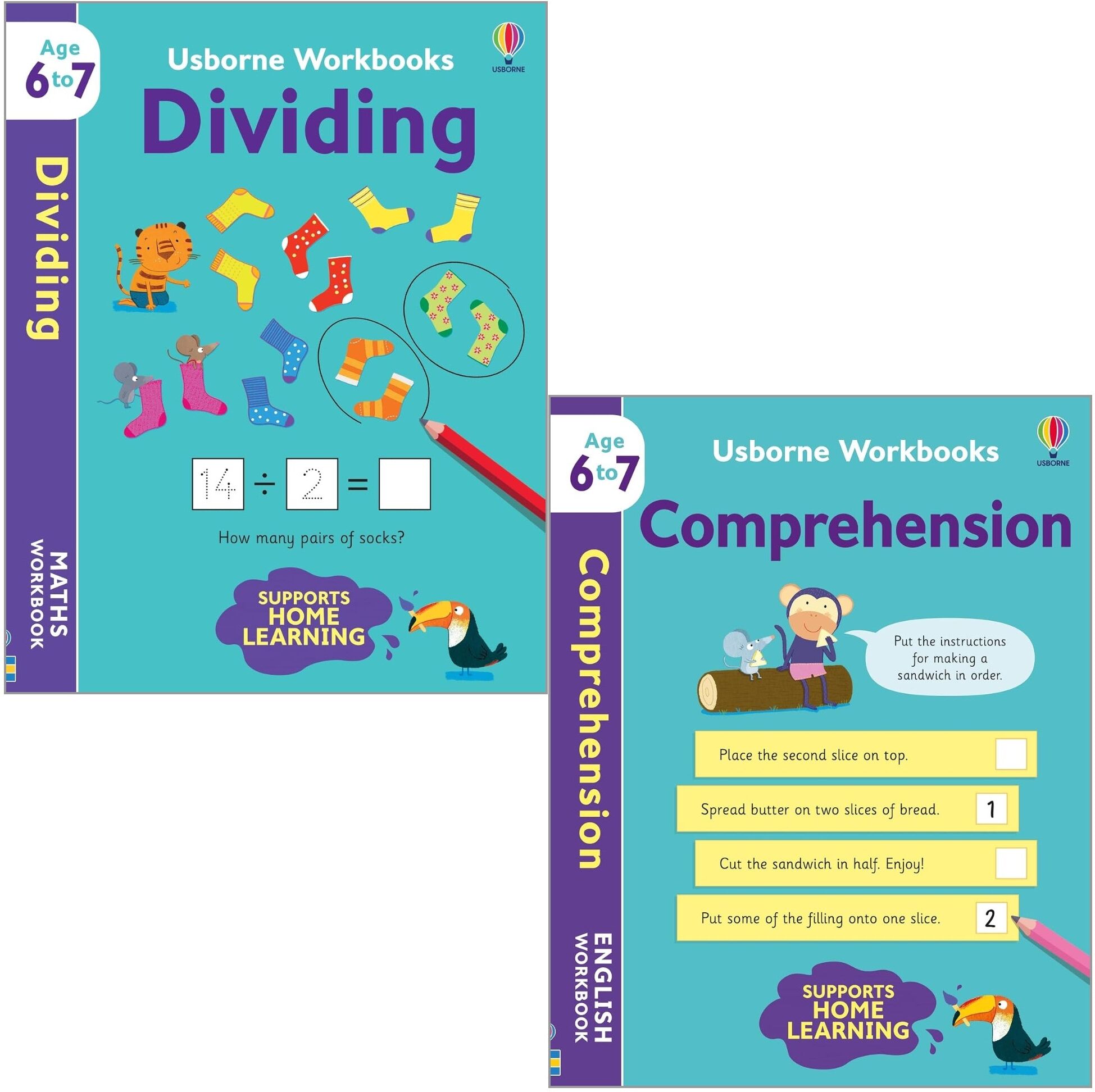
Usborne Publishing Usborne Workbooks 2 Books Collection Set Ages 6-7 (Comprehension, Dividing)Help children build confidence in key school subjects with the Usborne Workbooks 2 Books Collection Set for Ages 6–7, featuring focused practice in Comprehension and Dividing. Designed for young learners, these engaging educational workbooks support important KS1 English and Maths skills through clear explanations, age-appropriate activities and structured practice. The Comprehension workbook helps children improve reading understanding, vocabulary and the ability to answer questions based on short texts, while the Dividing workbook introduces and reinforces essential early division skills. Ideal for home learning, homework support, revision and extra practice, this 2-book set is a useful resource for parents, teachers and children working at an age 6–7 level.4,99 £*Shipping: 1,99 £Secure redirect to the provider
-
Is it possible to work as a machining mechanic after completing the training as a precision mechanic specializing in machining technology?
Yes, it is possible to work as a machining mechanic after completing training as a precision mechanic specializing in machining technology. The skills and knowledge gained during the precision mechanic training, such as operating and programming CNC machines, reading technical drawings, and understanding different machining processes, are directly applicable to the role of a machining mechanic. Additionally, with some additional training or on-the-job experience, a precision mechanic can easily transition into a role as a machining mechanic. **
-
Is there a website where one can find solutions for workbooks for 4th grade?
Yes, there are several websites where one can find solutions for 4th grade workbooks. Some popular options include Khan Academy, Education.com, and Super Teacher Worksheets. These websites offer a variety of resources including answer keys, explanations, and interactive activities to help students with their 4th grade workbooks. Additionally, many educational publishers also provide online resources and solutions for their workbooks on their official websites. **
-
How difficult is a study of robotics and automation?
The study of robotics and automation can be challenging due to its interdisciplinary nature, requiring knowledge in fields such as mechanical engineering, electrical engineering, computer science, and control systems. Additionally, the rapid advancements in technology and the need to stay updated with the latest developments can add to the complexity of the study. However, with dedication, problem-solving skills, and a strong foundation in mathematics and physics, students can overcome these challenges and excel in the field of robotics and automation. **
-
Is the precision mechanic similar to the machining mechanic?
While both precision mechanics and machining involve working with tools to create precise components, they are not exactly the same. Precision mechanics typically focuses on creating intricate and delicate components with high accuracy, often used in industries like watchmaking or electronics. Machining, on the other hand, involves using various tools to shape and cut raw materials into specific shapes and sizes, commonly used in industries like automotive or aerospace. Both mechanics require attention to detail and precision, but they differ in their specific applications and techniques. **
How can one learn to become an electronics technician for industrial engineering or automation technology?
To become an electronics technician for industrial engineering or automation technology, one can start by pursuing a relevant educational program, such as an associate degree in electronics engineering technology or industrial automation. These programs typically cover topics such as electrical circuits, industrial control systems, and automation technologies. Additionally, gaining hands-on experience through internships or apprenticeships with companies in the industrial engineering or automation field can provide valuable practical skills. Seeking professional certifications, such as those offered by organizations like the International Society of Automation (ISA) or the Electronics Technicians Association (ETA), can also demonstrate expertise and knowledge in the field. Finally, staying updated with the latest advancements in industrial engineering and automation technology through continuous learning and professional development is essential for a successful career in this field. **
Is programming taught in the field of Electrical Engineering and Information Technology?
Yes, programming is taught in the field of Electrical Engineering and Information Technology. Both fields require a strong foundation in programming languages such as C, C++, Python, and Java to develop software, design hardware, and work with embedded systems. Programming skills are essential for designing and implementing various electrical and information technology systems, including control systems, communication networks, and digital signal processing. Additionally, understanding programming concepts is crucial for developing innovative solutions and advancing technology in these fields. **
Top-Angebote
Products related to Workbooks:
-
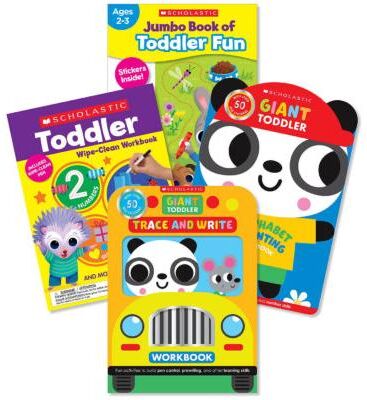
Scholastic Toddler Workbooks Value Pack (4 Books)These workbooks have engaging activities just-right for toddlers and preschoolers.This set includes:Giant Toddler: My Alphabet & Counting WorkbookGiant Toddler: Trace & Write WorkbookJumbo Book of Toddler FunToddler Wipe-Clean Workbook Toddler...34,99 $*Shipping: 0,00 $Secure redirect to the provider
-
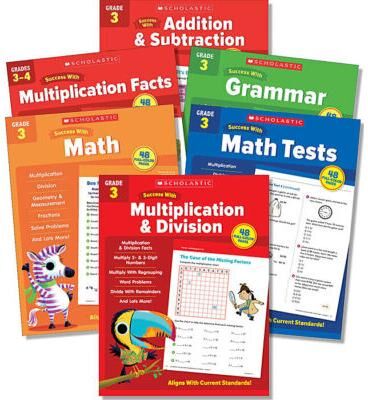
Scholastic - Children's Activity Books & Workbooks Scholastic Success With Grade 3 Value PackReinforce key skills with these exciting practice books!This set includes:Scholastic Success With Grade 3: Addition & SubtractionScholastic Success With Grade 3: GrammarScholastic Success With Grade 3: MathScholastic Success With Grade 3: Math...53,47 $*Shipping: 0,00 $Secure redirect to the provider
-
Scholastic - Children's Activity Books & Workbooks Scholastic Success With Grade 4 Value PackReinforce key skills with these exciting practice books!This set includes:Scholastic Success With Grade 4: Addition, Subtraction, Multiplication & DivisionScholastic Success With Grade 4: FractionsScholastic Success With Grade 4: GrammarScholastic...47,53 $*Shipping: 0,00 $Secure redirect to the provider
-
Ladybird I Am Ready Phonics Workbooks And Maths 8 Books Collection SetLadybird I Am Ready Phonics Workbooks And Maths 8 Books Collection Set Description: Ladybird I'm Ready... is the perfect way to support school learning. Providing structured practice of phonics and essential maths concepts; these bright; motivating books help to reinforce learning in a fun way. Ladybird I'm Ready for Phonics activity books are a great way for children to learn and practise their phonics skills. The series of phonic readers and their accompanying activity workbooks have been carefully written to give gradual; structured practise of the synthetic phonics your child is learning at school. This activity workbook includes lots of fun activities and stickers to help your child practise their letters and sounds and early reading skills; just as they do at school; and will help children prepare for the Phonics Screening Check at the end of Year 1. The series closely follows the order that a child is taught phonics in school; from initial letter sounds to key phonemes and beyond. It helps to build reading confidence through practice of these phonics building blocks; and reinforces school learning in a fun way. The mix of stickers and colourful activities help to reinforce maths learning in a fun way; and there are helpful parent notes on every page; as well as a maths glossary for any parents who might be nervous about maths themselves! Title in the Set are: Ladybird I'm Ready for Phonics - Workbook 1 Ladybird I'm Ready for Phonics - Workbook 2 Ladybird I'm Ready for Phonics - Workbook 3 Ladybird I'm Ready for Phonics - Workbook 4 Ladybird I'm Ready for Maths - Multiplying and Dividing Ladybird I'm Ready for Maths - Times Tables Ladybird I'm Ready for Maths - Adding and Subtracting Ladybird I'm Ready for Maths - Time; Shapes and Seasons13,89 £*Shipping: 2,99 £Secure redirect to the provider
-
Are workbooks private property?
Workbooks can be considered private property if they are owned by an individual or organization. The contents of a workbook, such as personal notes, ideas, or data, are typically considered private and confidential. However, if a workbook is provided by an employer or used in a shared workspace, it may not be considered private property and could be subject to certain rules or regulations regarding its use and access. **
-
'How do I keep old workbooks?'
You can keep old workbooks by organizing them in a designated storage area, such as a filing cabinet or storage box. Label each workbook with the date and subject to easily locate them in the future. Consider digitizing the workbooks by scanning or taking photos of the pages to save space and preserve the content. Additionally, periodically review the old workbooks to determine if any information can be discarded or if they can be repurposed for future use. **
-
Is it possible to work as a machining mechanic after completing the training as a precision mechanic specializing in machining technology?
Yes, it is possible to work as a machining mechanic after completing training as a precision mechanic specializing in machining technology. The skills and knowledge gained during the precision mechanic training, such as operating and programming CNC machines, reading technical drawings, and understanding different machining processes, are directly applicable to the role of a machining mechanic. Additionally, with some additional training or on-the-job experience, a precision mechanic can easily transition into a role as a machining mechanic. **
-
Is there a website where one can find solutions for workbooks for 4th grade?
Yes, there are several websites where one can find solutions for 4th grade workbooks. Some popular options include Khan Academy, Education.com, and Super Teacher Worksheets. These websites offer a variety of resources including answer keys, explanations, and interactive activities to help students with their 4th grade workbooks. Additionally, many educational publishers also provide online resources and solutions for their workbooks on their official websites. **
Similar search terms for Workbooks
-
Scholastic - Children's Activity Books & Workbooks Scholastic Success With Grade 2 Value PackReinforce key skills with these exciting practice books!This set includes:Scholastic Success With Grade 2: Addition & SubtractionScholastic Success With Grade 2: GrammarScholastic Success With Grade 2: MathScholastic Success With Grade 2: Reading...41,59 $*Shipping: 0,00 $Secure redirect to the provider
-
Usborne Publishing Usborne Workbooks 2 Books Collection Set Ages 6-7 (Comprehension, Dividing)Help children build confidence in key school subjects with the Usborne Workbooks 2 Books Collection Set for Ages 6–7, featuring focused practice in Comprehension and Dividing. Designed for young learners, these engaging educational workbooks support important KS1 English and Maths skills through clear explanations, age-appropriate activities and structured practice. The Comprehension workbook helps children improve reading understanding, vocabulary and the ability to answer questions based on short texts, while the Dividing workbook introduces and reinforces essential early division skills. Ideal for home learning, homework support, revision and extra practice, this 2-book set is a useful resource for parents, teachers and children working at an age 6–7 level.4,99 £*Shipping: 1,99 £Secure redirect to the provider
-
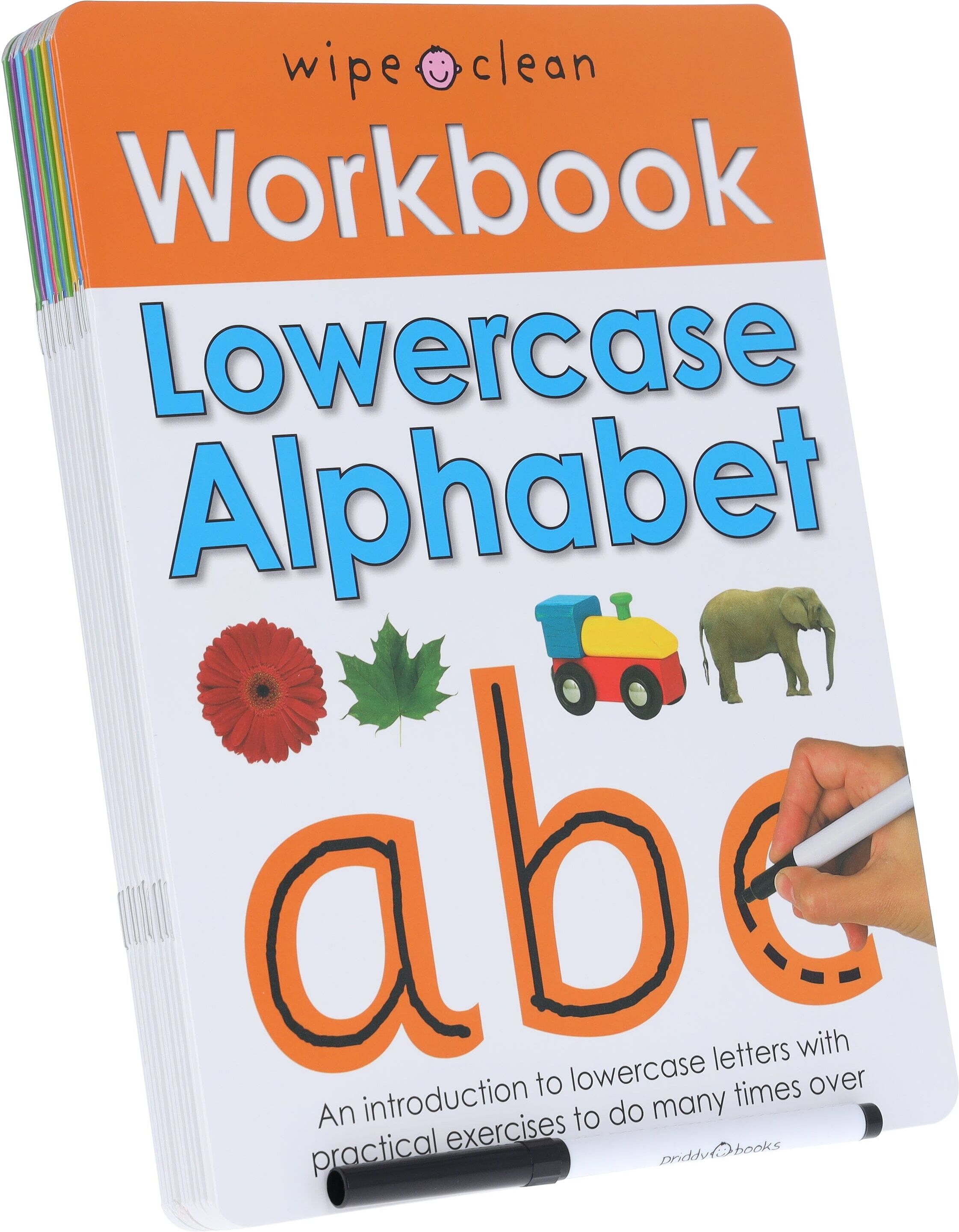
Wipe Clean Workbooks Series 10 Books Collection Set - Ages 0-5 - Paperback Priddy BooksTitles in This Set : 1. Times Tables 2. Lowercase Alphabet 3. Uppercase Alphabet 4. Telling the Time 5. Tracing and Pen Control 6. Numbers 7. Phonics 8. Tricky Words 9. First Number Skills 10. Everyday Maths Description : An introduction to lowercase and Uppercase letters with practical exercises. Numbers and First Number skills- An introduction to numbers 1 to 20 and introduction to First numeracy skills using number bonds with practical exercises to do many times over. Tracing and Pen control an introduction to tracing and pen control with practical exercises to do many times over. Phonics and Ticky Words - An introduction to phonics and frequently used tricky words with practical exercise to do many times over. Everyday Math, Telling the time and Times Table. Introduction to maths with practical exercises to do many time over.12,49 £*Shipping: 2,99 £Secure redirect to the provider
-
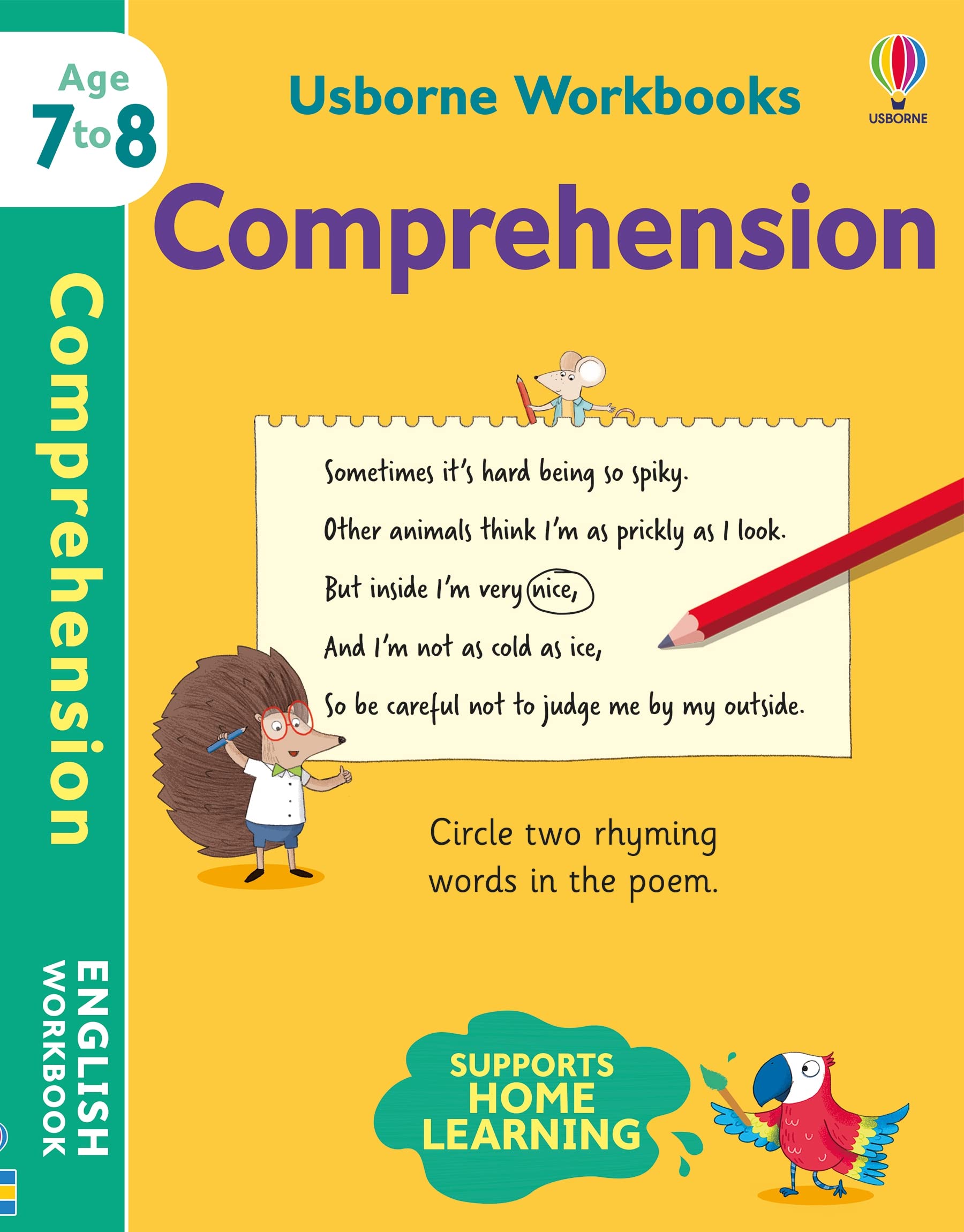
Usborne Publishing Ltd Usborne Workbooks - Comprehension for ages 7-8 - Home Learning for KS2The enjoyable and accessible activities in this workbook help children develop comprehension and writing skills, from understanding recipes, lists, diaries, poems and posters to interpreting instructions and using information books. Friendly animal characters illustrated by talented Italian artist Elisa Paganelli gently guide children through each task.3,49 £*Shipping: 1,99 £Secure redirect to the provider
-
How difficult is a study of robotics and automation?
The study of robotics and automation can be challenging due to its interdisciplinary nature, requiring knowledge in fields such as mechanical engineering, electrical engineering, computer science, and control systems. Additionally, the rapid advancements in technology and the need to stay updated with the latest developments can add to the complexity of the study. However, with dedication, problem-solving skills, and a strong foundation in mathematics and physics, students can overcome these challenges and excel in the field of robotics and automation. **
-
Is the precision mechanic similar to the machining mechanic?
While both precision mechanics and machining involve working with tools to create precise components, they are not exactly the same. Precision mechanics typically focuses on creating intricate and delicate components with high accuracy, often used in industries like watchmaking or electronics. Machining, on the other hand, involves using various tools to shape and cut raw materials into specific shapes and sizes, commonly used in industries like automotive or aerospace. Both mechanics require attention to detail and precision, but they differ in their specific applications and techniques. **
-
How can one learn to become an electronics technician for industrial engineering or automation technology?
To become an electronics technician for industrial engineering or automation technology, one can start by pursuing a relevant educational program, such as an associate degree in electronics engineering technology or industrial automation. These programs typically cover topics such as electrical circuits, industrial control systems, and automation technologies. Additionally, gaining hands-on experience through internships or apprenticeships with companies in the industrial engineering or automation field can provide valuable practical skills. Seeking professional certifications, such as those offered by organizations like the International Society of Automation (ISA) or the Electronics Technicians Association (ETA), can also demonstrate expertise and knowledge in the field. Finally, staying updated with the latest advancements in industrial engineering and automation technology through continuous learning and professional development is essential for a successful career in this field. **
-
Is programming taught in the field of Electrical Engineering and Information Technology?
Yes, programming is taught in the field of Electrical Engineering and Information Technology. Both fields require a strong foundation in programming languages such as C, C++, Python, and Java to develop software, design hardware, and work with embedded systems. Programming skills are essential for designing and implementing various electrical and information technology systems, including control systems, communication networks, and digital signal processing. Additionally, understanding programming concepts is crucial for developing innovative solutions and advancing technology in these fields. **
* All prices are inclusive of VAT and, if applicable, plus shipping costs. The offer information is based on the details provided by the respective shop and is updated through automated processes. Real-time updates do not occur, so deviations can occur in individual cases. ** Note: Parts of this content were created by AI.